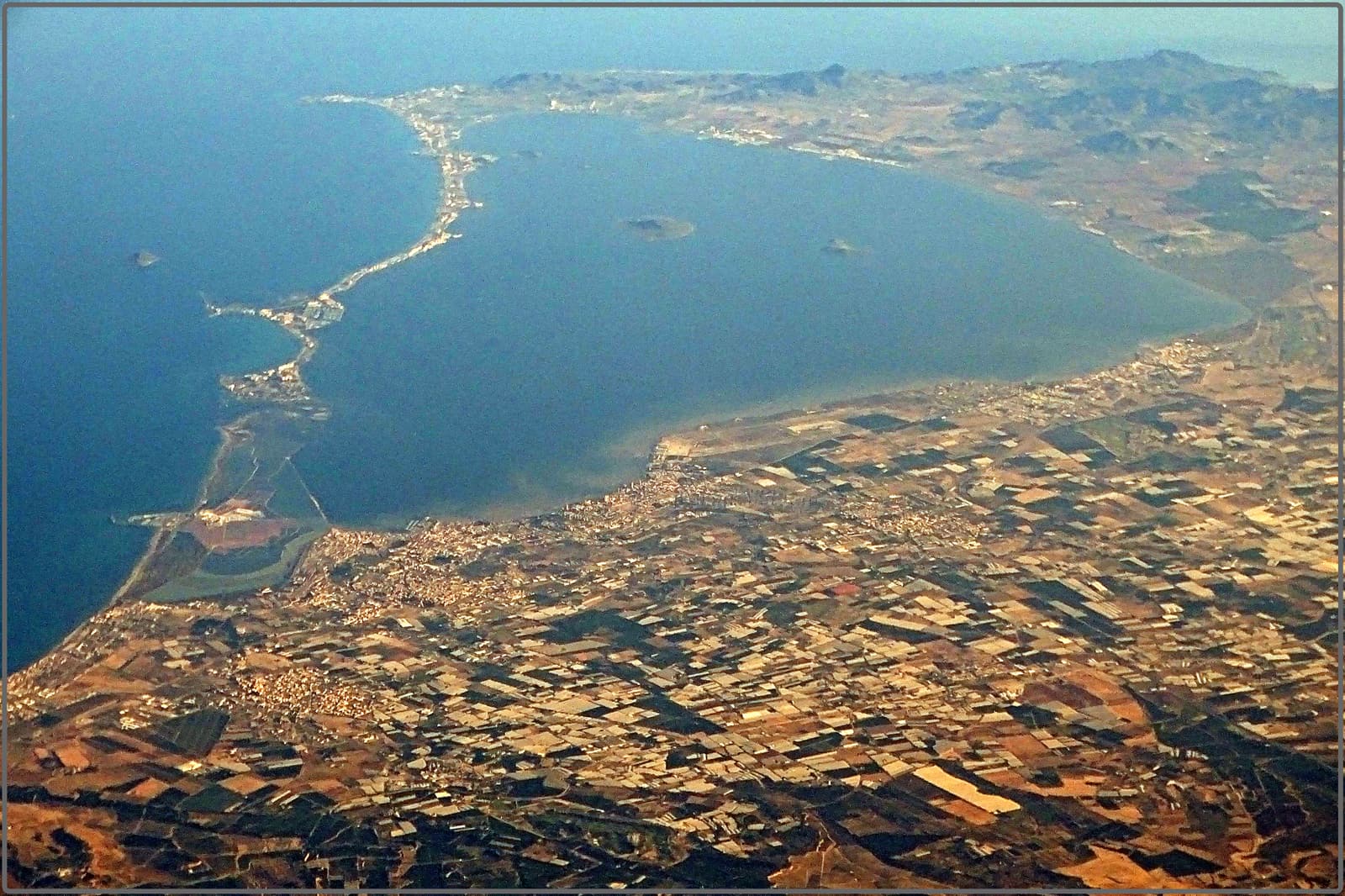
The Mar Menor is a coastal lagoon of about 135 square kilometres, closed off from the Mediterranean by La Manga and connected to it only by a few narrow channels. It is nowhere more than about seven metres deep, saltier than the open sea, and warm: often several degrees warmer than the Mediterranean in spring and autumn.
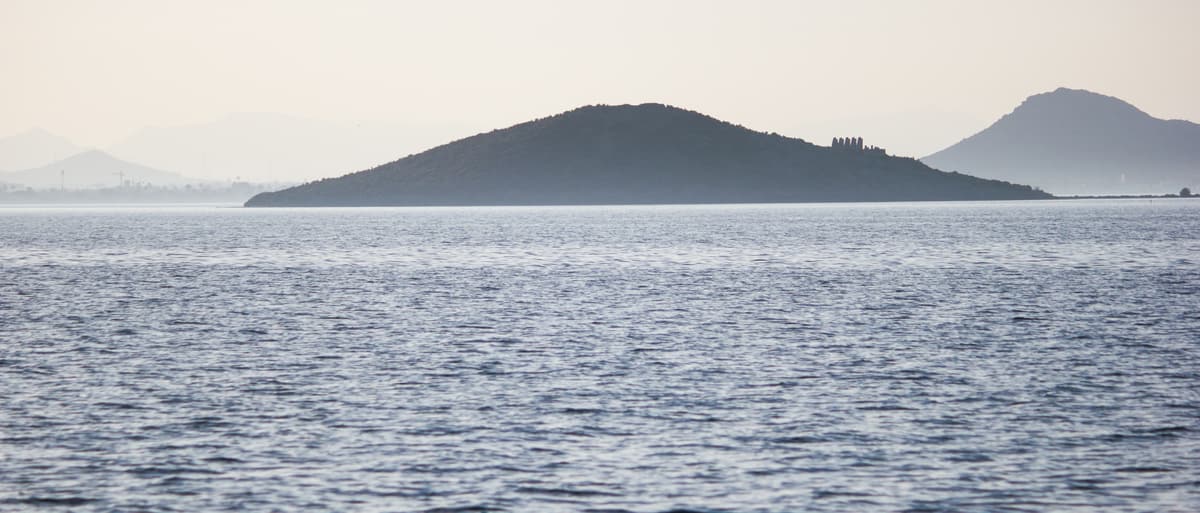
Five small islands of volcanic origin rise from it — Barón, Perdiguera, Ciervo, Sujeto and Redonda — and its shores are lined with old-fashioned resort towns, wooden bathing piers and sailing clubs.
An honest note on its condition. Decades of nutrient run-off, chiefly nitrates from intensive agriculture in the surrounding plain, together with urban pressure, have badly damaged the lagoon. In 2016 the water turned green with algae and most of the seagrass on the bottom died; in October 2019 and again in August 2021 large numbers of fish died from lack of oxygen. In 2022 Spain passed a law giving the Mar Menor legal personhood, the first ecosystem in Europe to receive it. Water quality varies from year to year and from place to place: in some seasons it is clear and inviting, in others turbid. Check current bathing information locally.
Top things to do: Mar Menor
Cruise the five islands
Short boat trips from La Manga and from the mainland shore circle the islands. Isla del Barón, the largest, is private; Perdiguera was long a popular stop. Landing rules have tightened to protect the islands, so most trips now view them from the water.
Paddle or sail
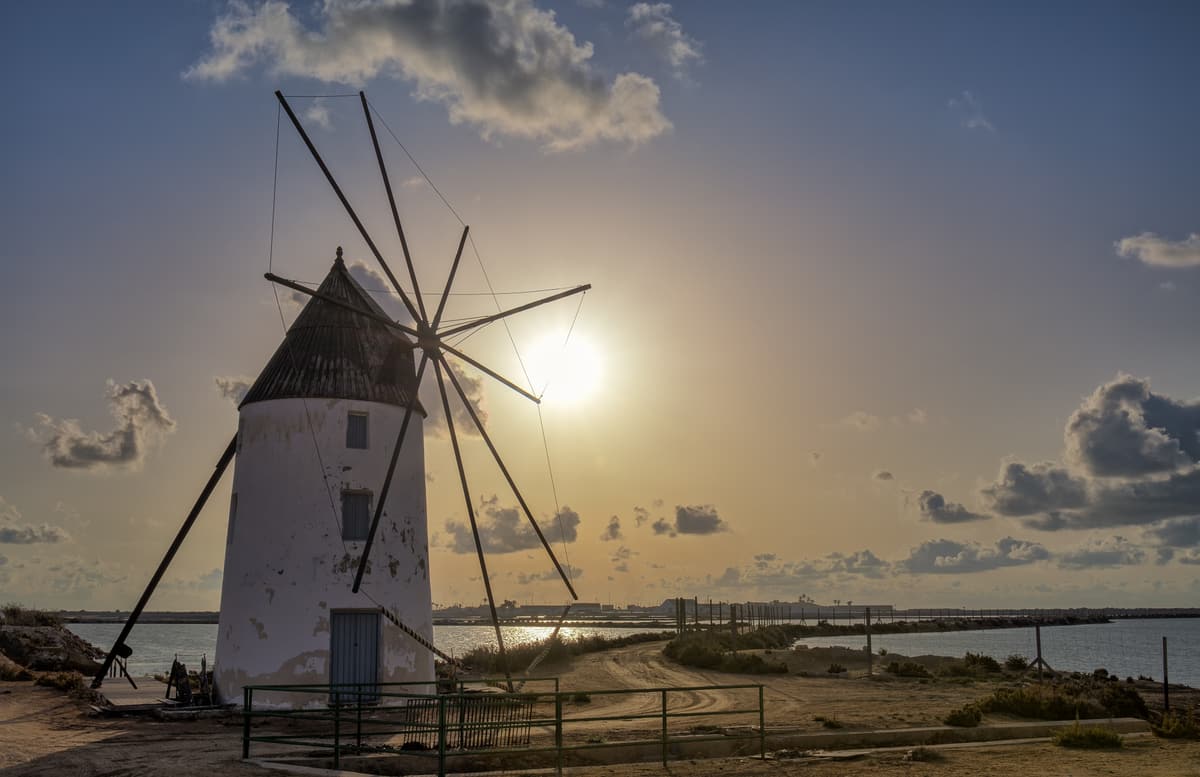
Flat water and reliable afternoon breezes make the lagoon a natural school for dinghy sailing, windsurfing, kayaking and stand-up paddle. Local boats still race under the traditional lateen sail.
Bathe from a balneario
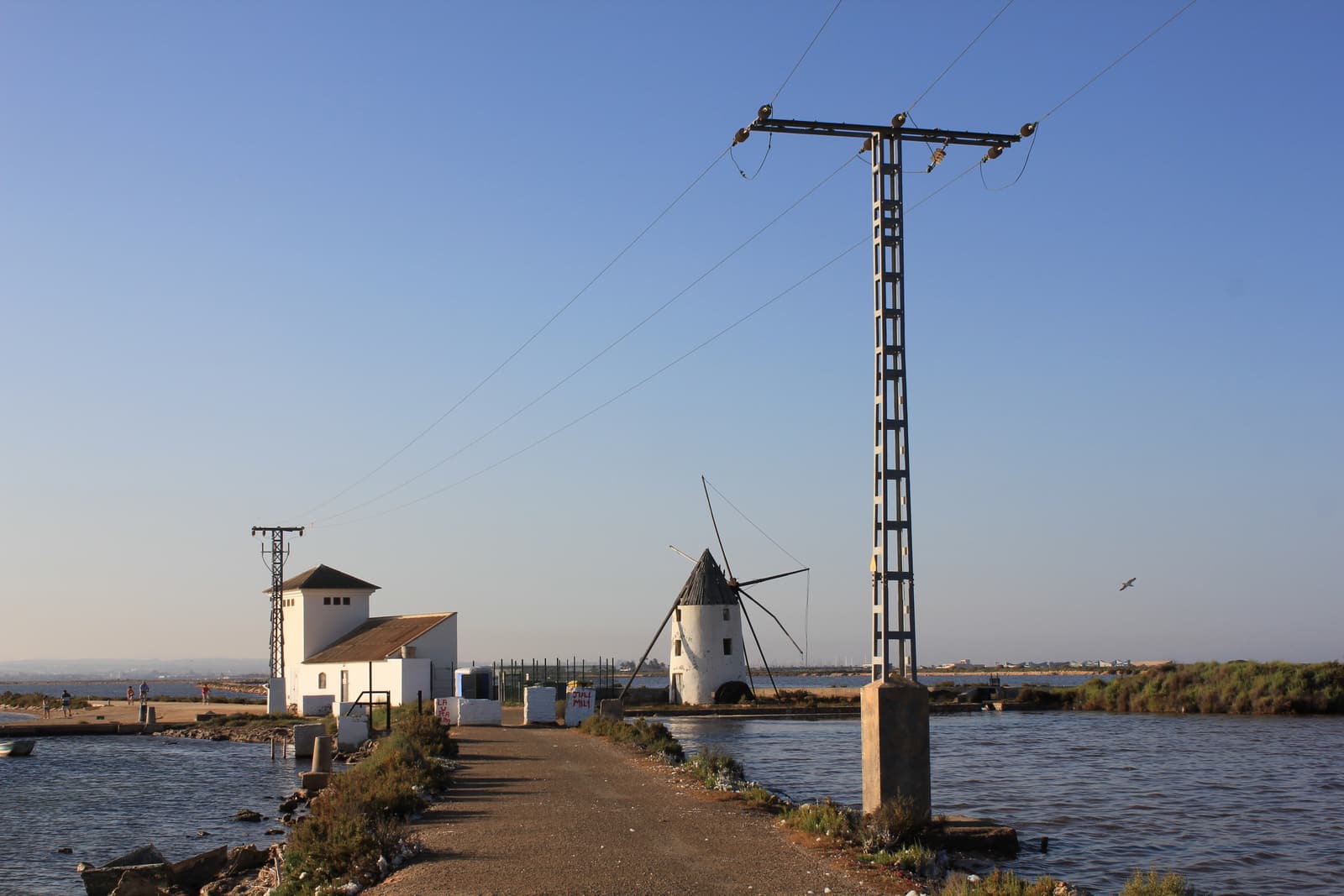
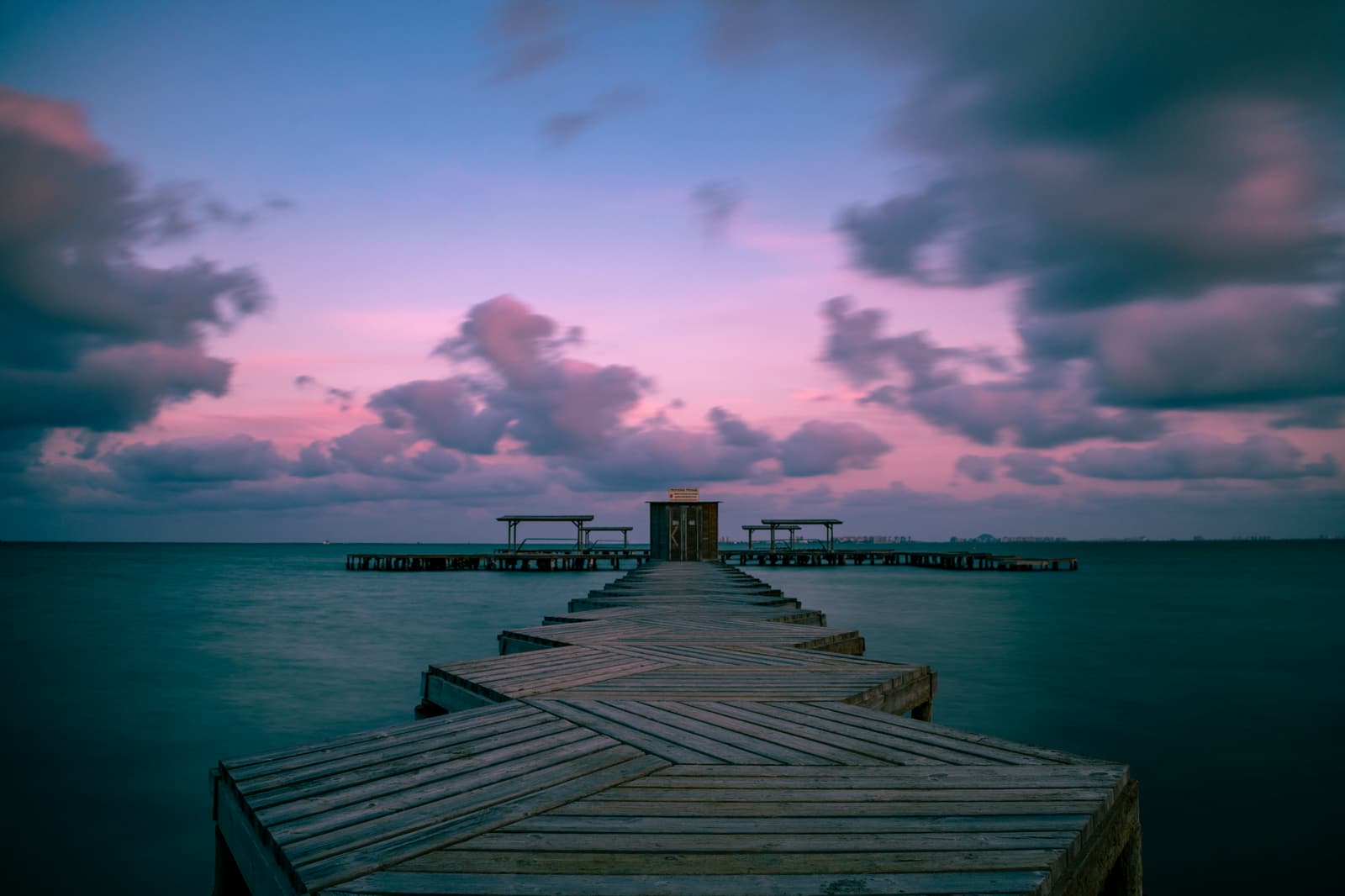
The wooden bathing piers of Los Alcázares, Santiago de la Ribera and Lo Pagán are the lagoon’s signature. The water is knee-deep for a long way out, which is why generations of Spanish families have brought small children here.
Try the mud
At the northern end, the shallows of Lo Pagán are known for open-air mud baths — see San Pedro del Pinatar.
Eat the lagoon
Mar Menor prawns, grey mullet and its cured roe, and gilt-head bream are local specialities, along with caldero.
How to get to Mar Menor
- From Cabo de Palos the nearest lagoon beaches are a few minutes away at the start of La Manga, and at Playa Honda and Mar de Cristal on the southern shore.
- The resort towns of the western shore — Los Nietos, Los Urrutias, Los Alcázares, Santiago de la Ribera — are 20 to 40 minutes by car via the RM-12 and AP-7.
Insider tips
- Look for the bathing-water flags and notices posted on each beach.
- Jellyfish are netted off at many lagoon beaches in summer; some species here are harmless but worth avoiding.
- The water can reach 30 °C in August in the shallows — pleasant for children, less refreshing for swimmers.
- If the lagoon looks poor when you visit, the Mediterranean coves of Cabo de Palos are minutes away and unaffected.
Best tours: Mar Menor
These top-rated experiences are the easiest way to see Mar Menor:
Boat tour from €22 Mar Menor 5 Islands Route
The best-reviewed boat trip in the area: a relaxed cruise across the Mar Menor that skirts all five of its volcanic islands. The lagoon is shallow and sheltered, so the trip is smooth even when the Mediterranean side is rough.
- All five islands of the lagoon
- Calm, sheltered water
- Easy for children and non-swimmers
 Boat tour from €22
 Mar Menor: Boat Tour of the 5 Volcanic Islands
A longer, more explanatory tour of the lagoon’s five volcanic islands, leaving from the San Javier side of the Mar Menor rather than from La Manga. Handy if you are staying on the mainland shore or flying in and out of the region.
- Barón, Perdiguera, Ciervo, Sujeto and Redonda
- Commentary on the lagoon’s history and nature
- Departs from the mainland shore
 Guided kayak tour from €25
 Mar Menor: 3-Island Kayak Sightseeing Tour
A guided paddle on the flat water of the Mar Menor between three of its small volcanic islands. Because the lagoon is so sheltered, this is the easiest kayak tour in the area for beginners.
- Islands El Sujeto, Rondella and El Ciervo
- Flat, sheltered water
- The volcanic origin of the lagoon explained
 Boat tour from €15
 La Manga: Panoramic Route around 4 Islands in the Mar Menor
A short, inexpensive cruise that passes four of the five Mar Menor islands. Very well rated, and short enough for small children or for fitting in before lunch.
- Four of the lagoon’s five islands
- Just one hour
- The lowest price of any boat trip here