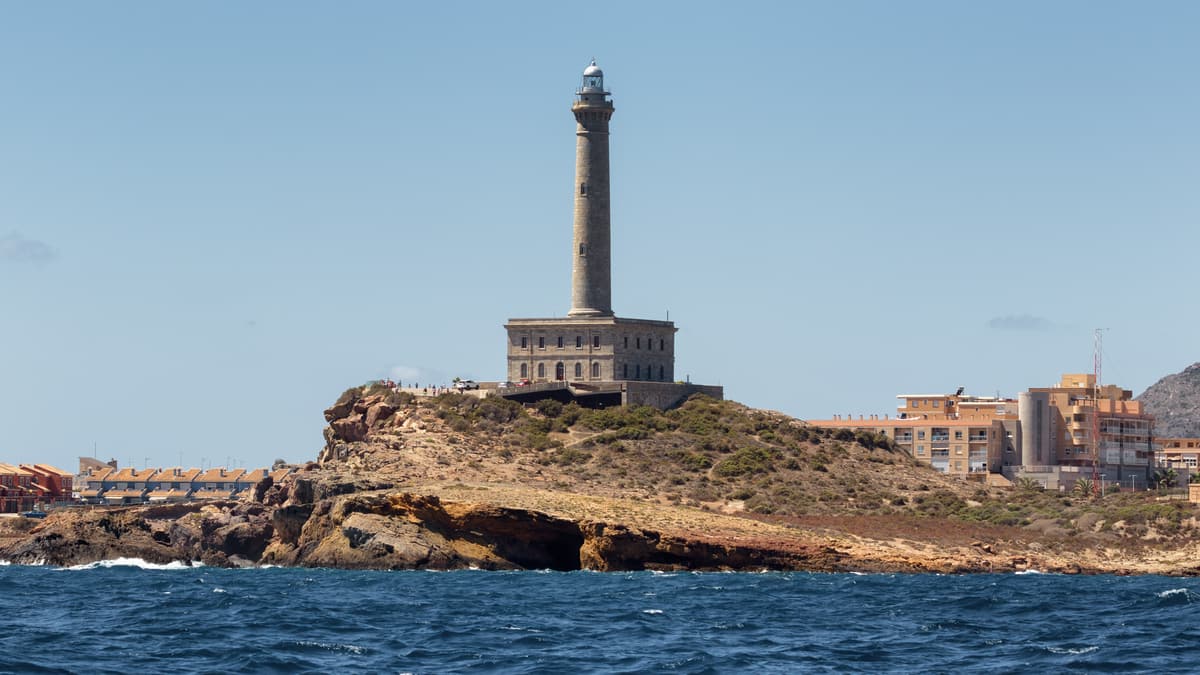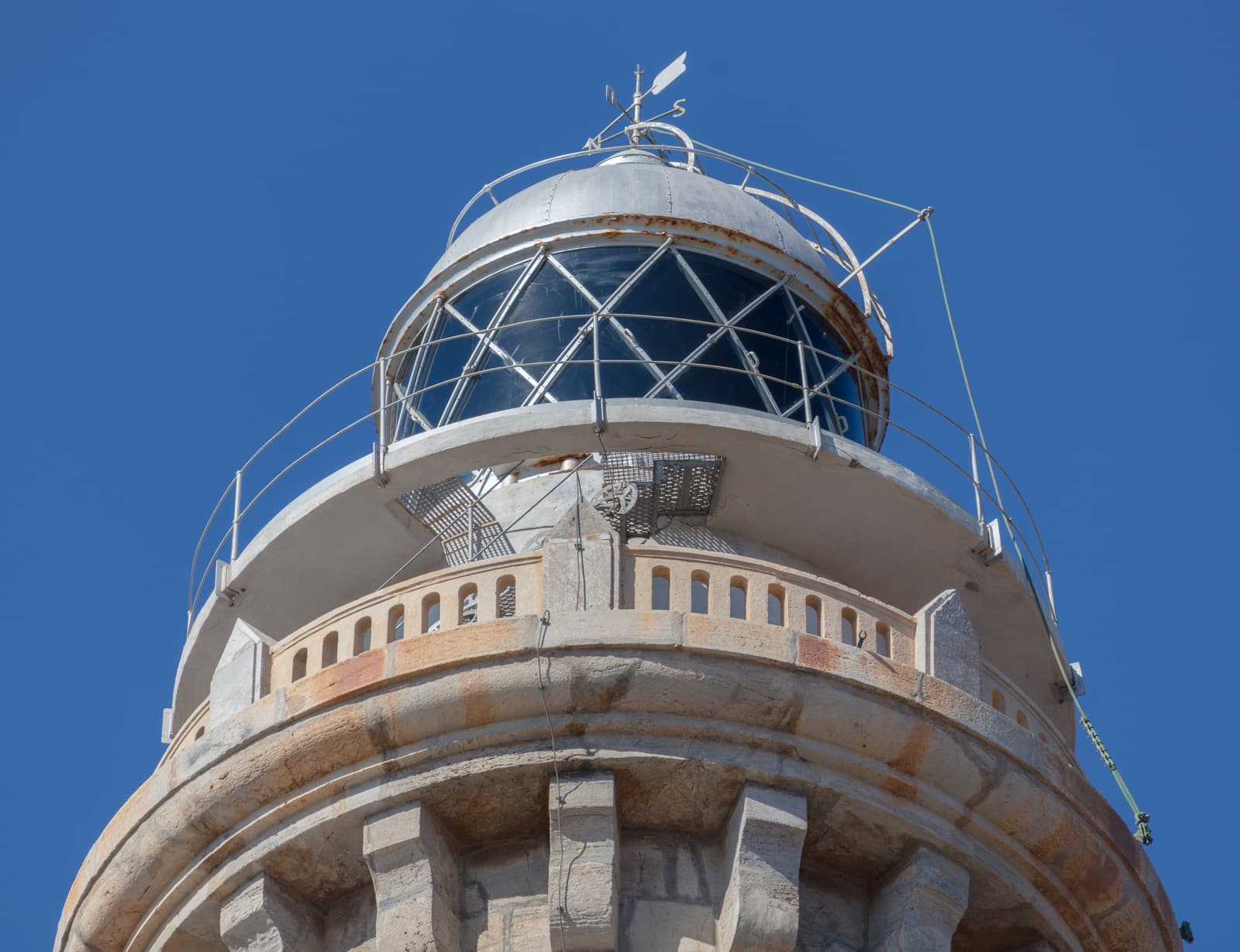
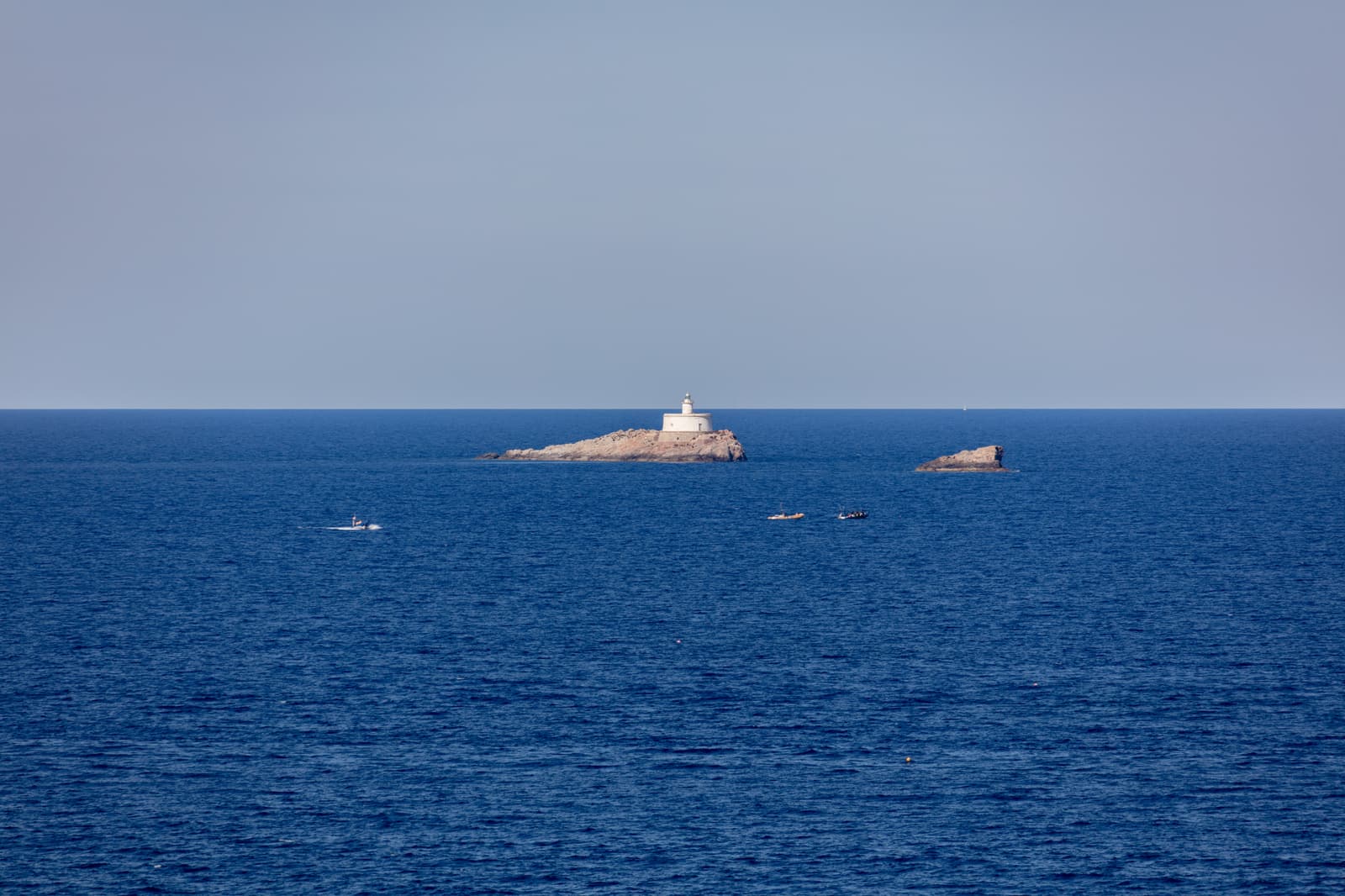
From the lighthouse a ridge of rock continues out to sea, mostly underwater, for about four kilometres until it breaks the surface again at the Islas Hormigas, the “Ant Islands”. Along the way it rises into a series of seamounts, called bajos, whose tops come to within a few metres of the surface and whose sides drop to forty metres and more. Currents sweep nutrients over them, and fishing has been tightly restricted since the Cabo de Palos and Islas Hormigas Marine Reserve was created in 1995. The reserve covers roughly 19 square kilometres.
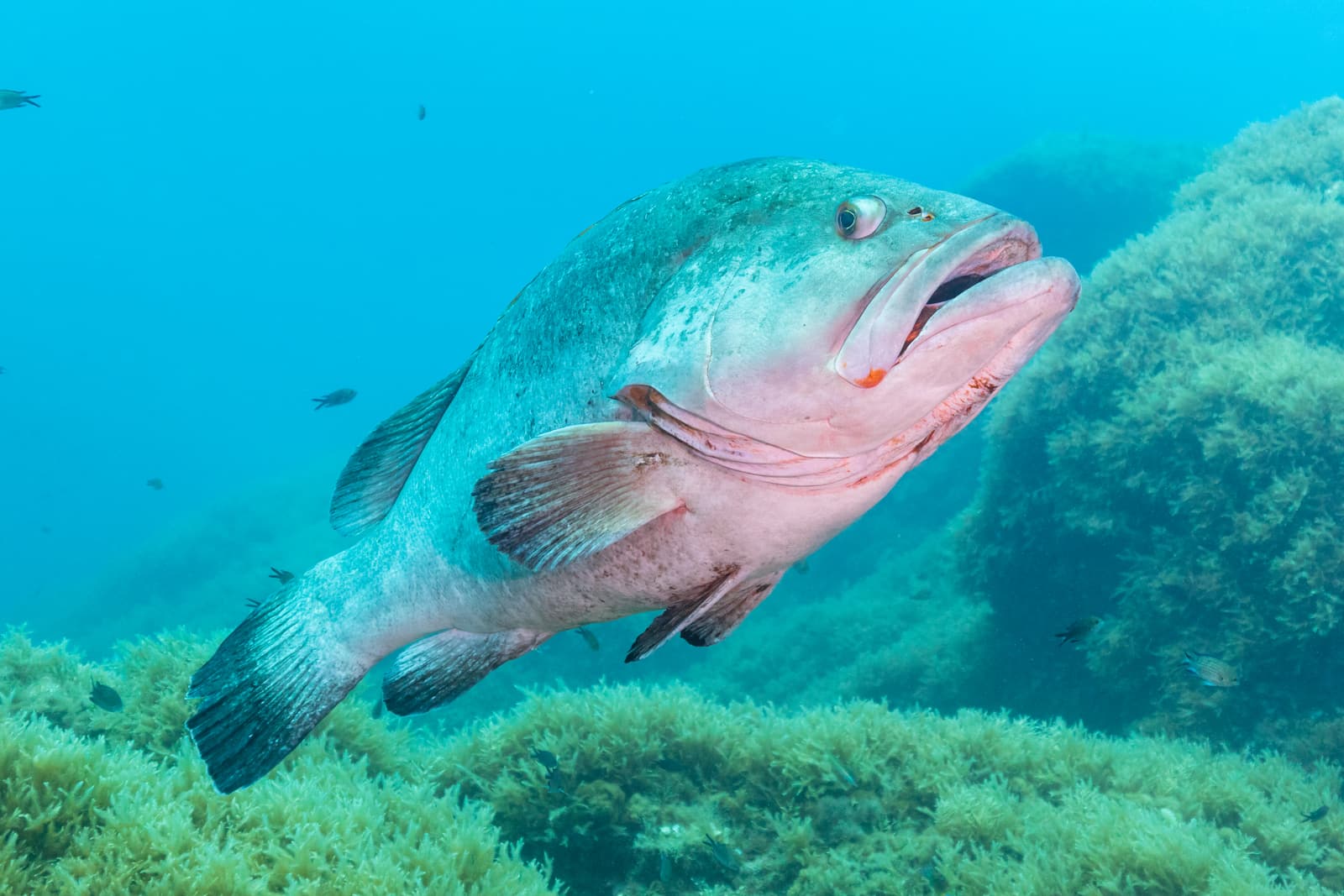
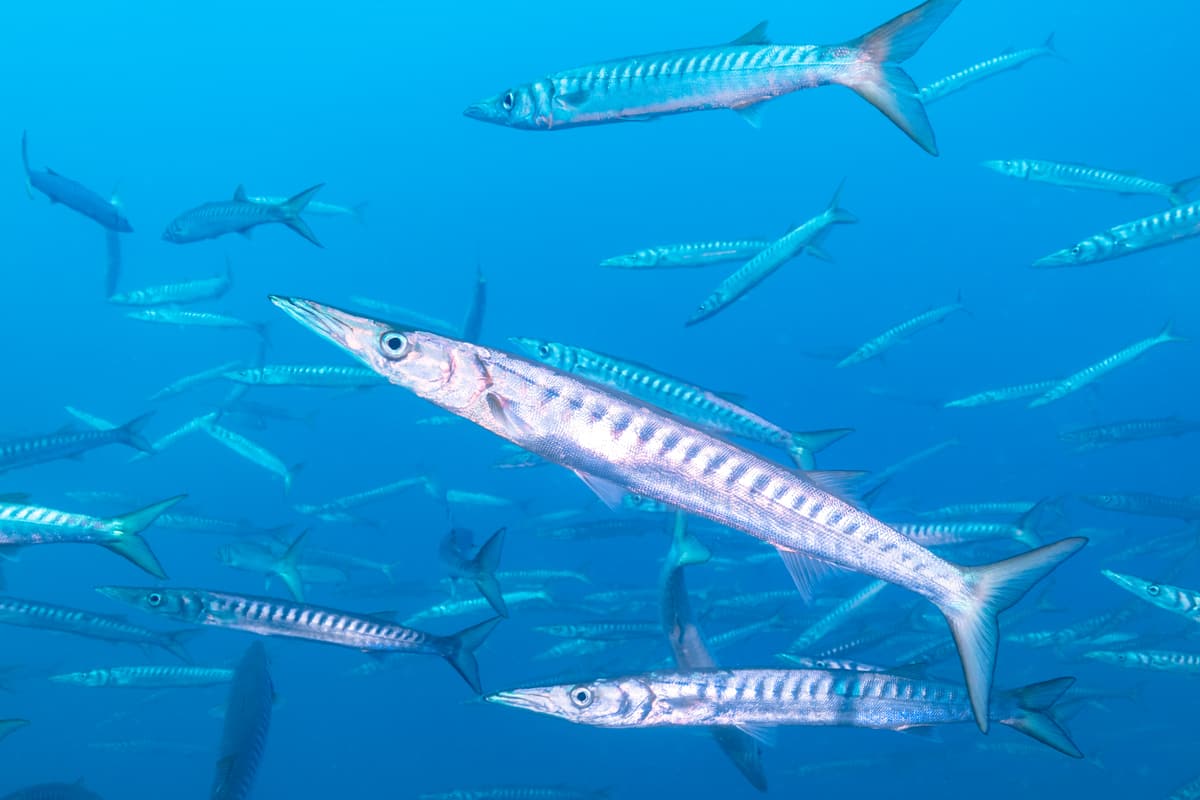
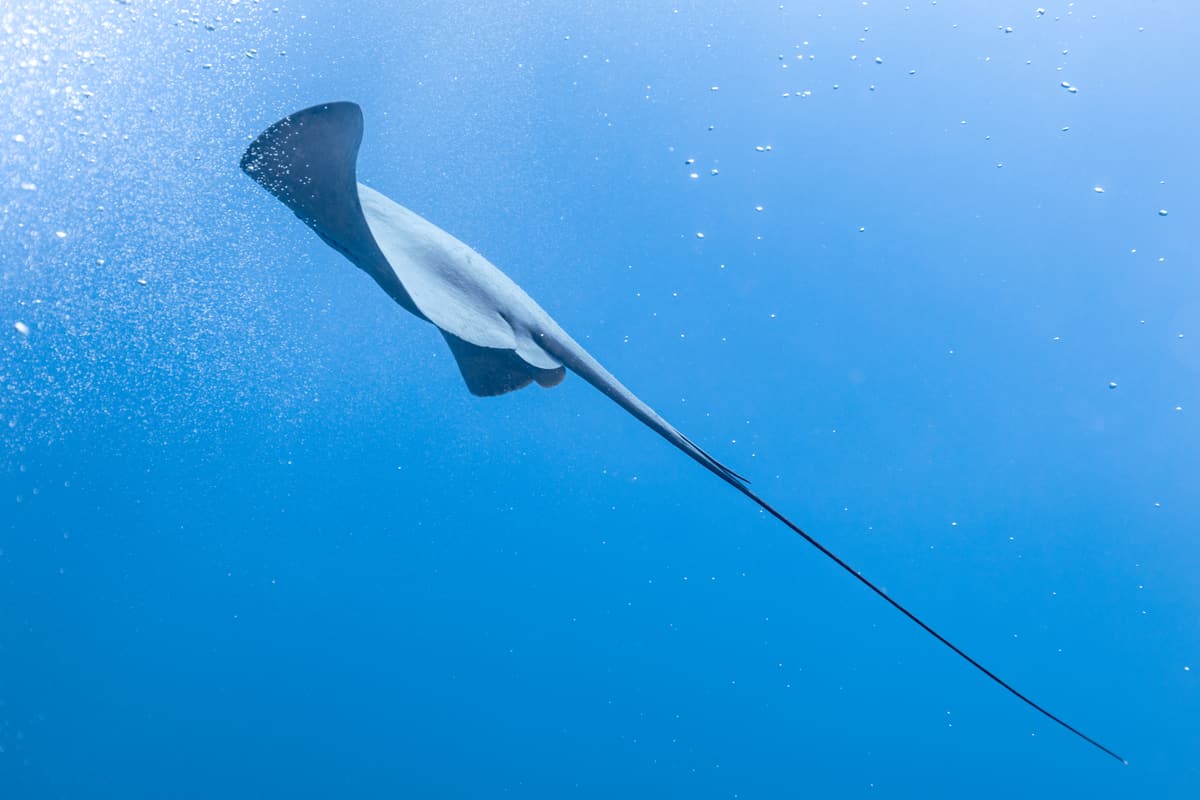
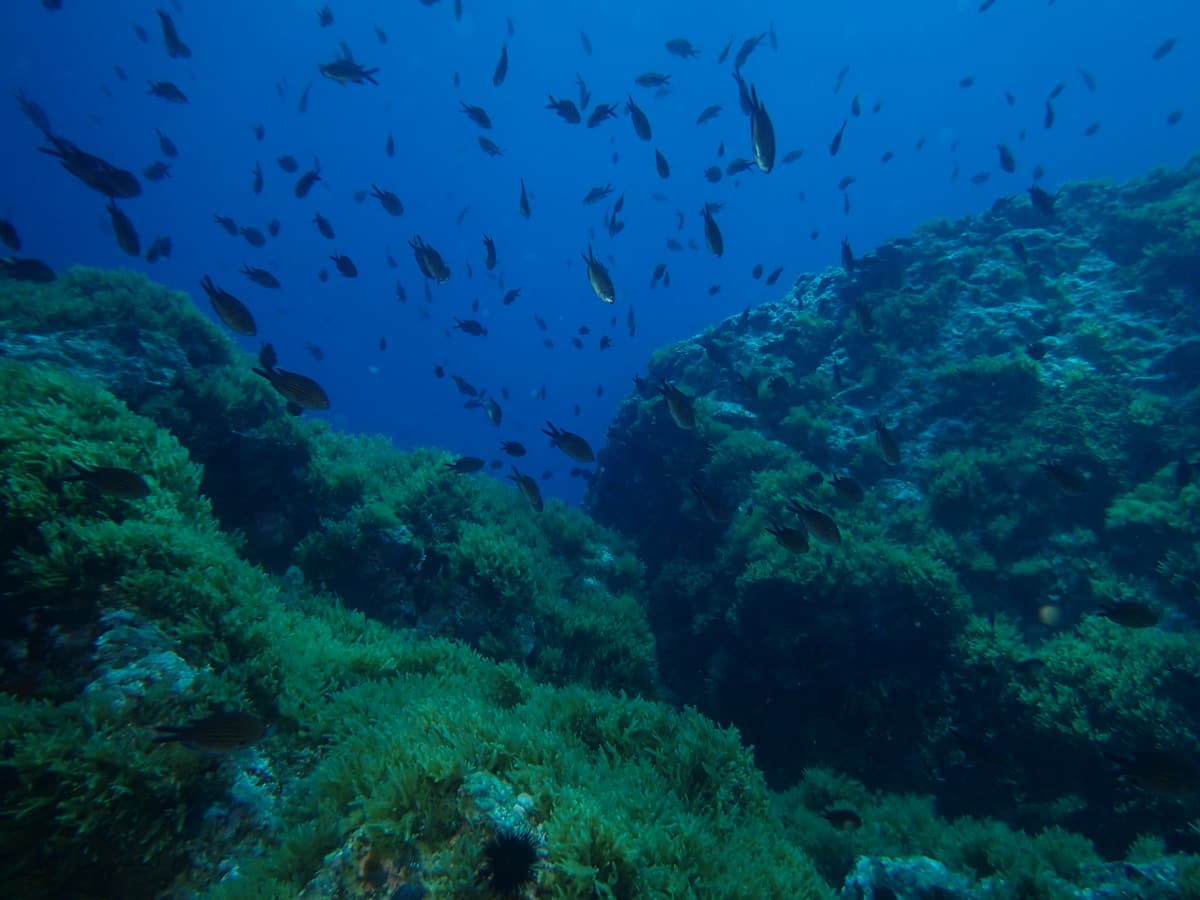
The result is a concentration of big fish that is rare in the Mediterranean: dusky groupers a metre long that have never learnt to fear divers, dense schools of barracuda, dentex and amberjack hunting in the blue, moray eels in every crack, and in season eagle rays and the occasional ocean sunfish. Dive magazines regularly rank it among the best diving in Europe.
Access is controlled. Each dive site has a daily quota of divers, and permits are obtained by the authorised dive centres, most of which work from the harbour of Cabo de Palos. You cannot simply turn up with your own boat and jump in. The area immediately around the Hormigas islets is an integral reserve where diving is not allowed at all.
Top things to do: Cabo de Palos & Islas Hormigas Marine Reserve
Dive the seamounts
The classic sites are Bajo de Dentro, the closest and most popular, with its summit only about three metres down; Bajo de Piles (two neighbouring peaks, Piles I and II); Bajo de Testa; and Bajo de Fuera, the outermost, deepest and most exposed to current. Dives are from RIBs, a 10–20 minute ride from the harbour. Because of depth and current, centres normally ask for an advanced-level certificate and a minimum number of logged dives for the outer seamounts — ask when you book.
Dive the wrecks
Just outside the reserve lies the Naranjito (officially the Isla Gomera), a cargo ship that sank with a load of oranges in 1946 and now sits upright on sand at roughly 27–44 metres: the area’s most popular wreck for experienced recreational divers. The Italian emigrant liner SS Sirio struck Bajo de Fuera on 4 August 1906 with the loss of several hundred lives; her remains are scattered down the slope, mostly deep. The British steamer Stanfield, torpedoed in 1916, is a technical dive well beyond recreational depths.
Snorkel the edges
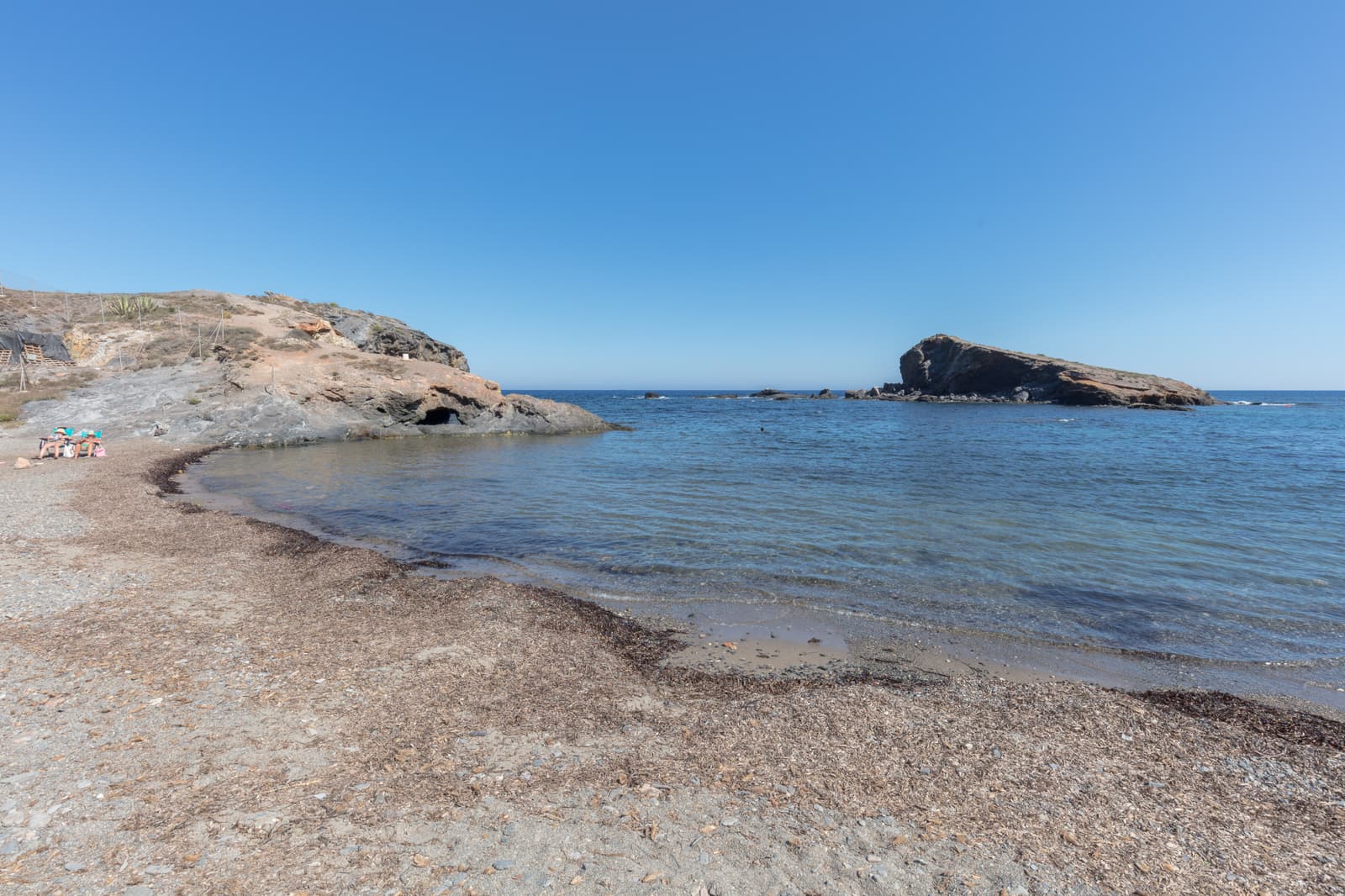
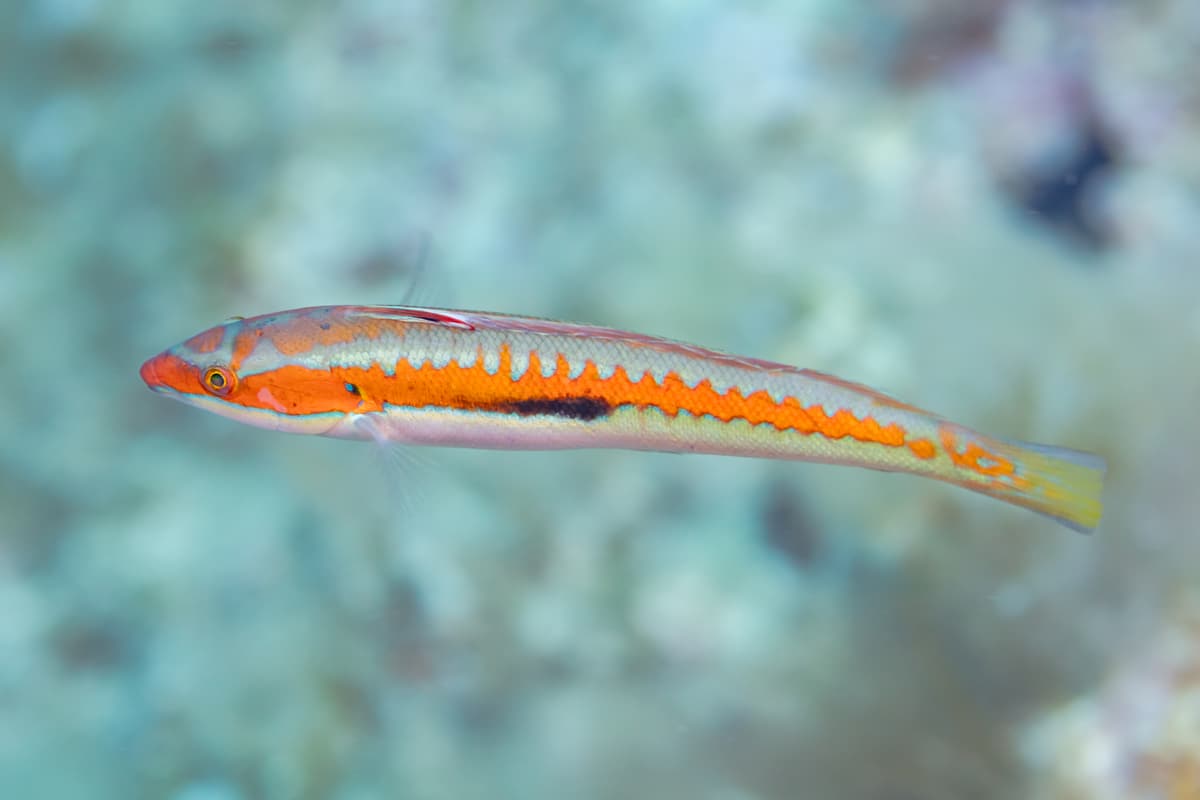
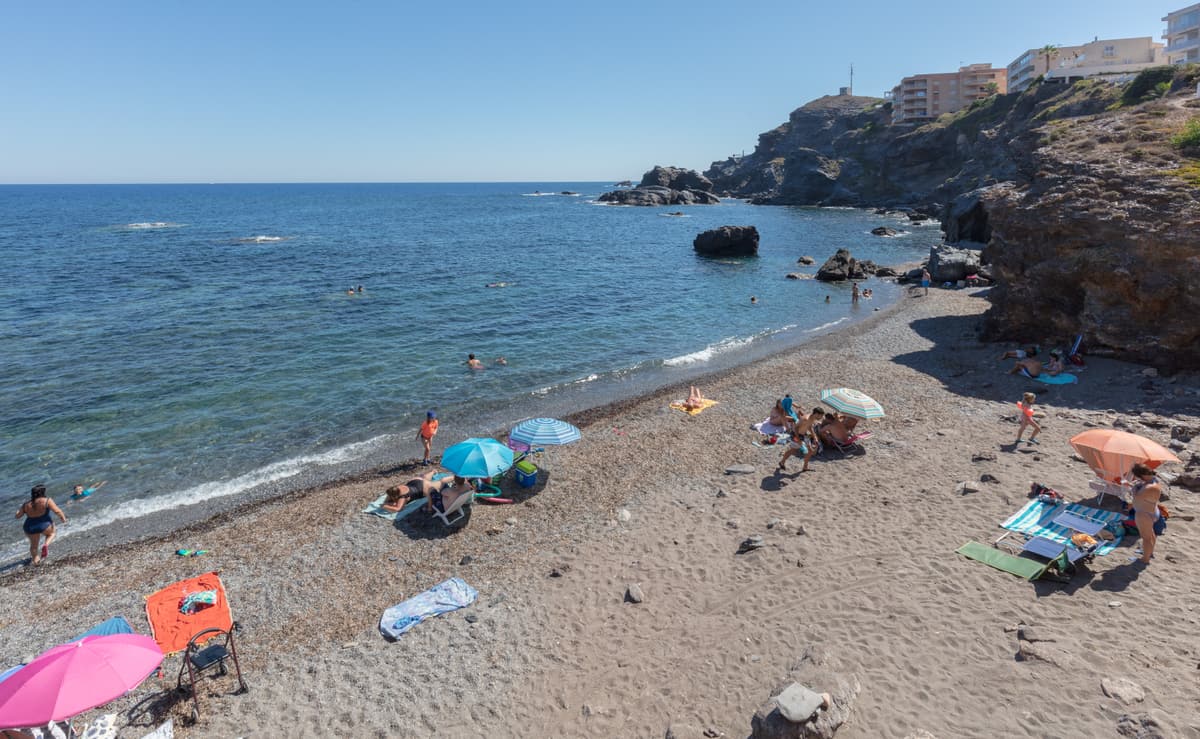
You do not need a tank to see the effect of protection. The coves around the cape — Cala Fría, Cala Túnez and Cala Flores — lie inside or beside the reserve, and bream, wrasse, damselfish and sometimes octopus are visible in a couple of metres of water. Guided kayak-and-snorkel tours take you to quieter spots.
Try a first dive
Most local centres offer a “bautizo” (discover-scuba dive) and full courses in sheltered water away from the seamounts. If you qualify here early in your holiday, you may be able to do easier reserve dives before you leave.
See it from the surface
Boat and glass-bottom-style trips towards the reserve have operated from the harbour in some summers. Schedules change from year to year, so ask at the quay rather than counting on one.
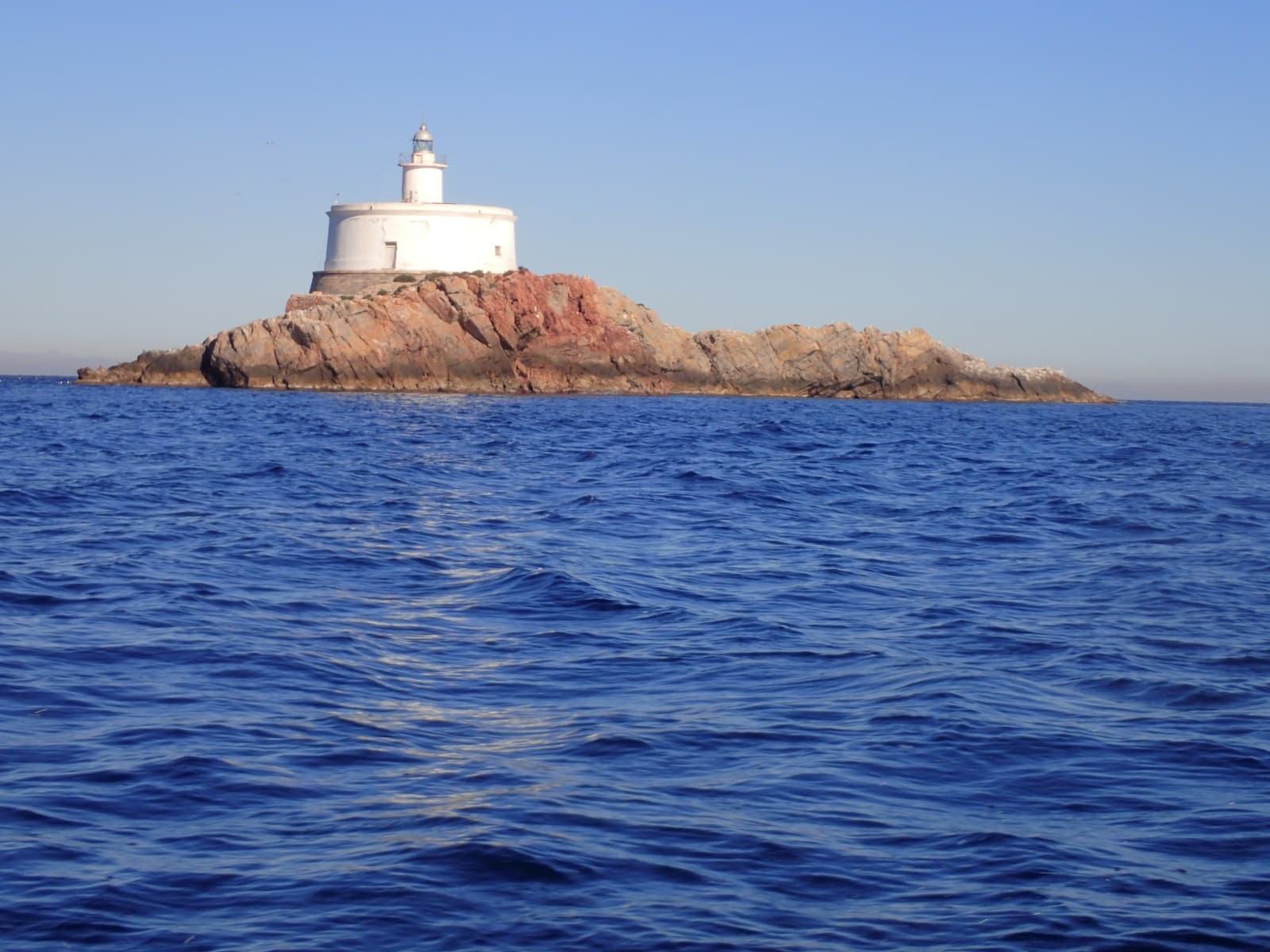
How to get to Cabo de Palos & Islas Hormigas Marine Reserve
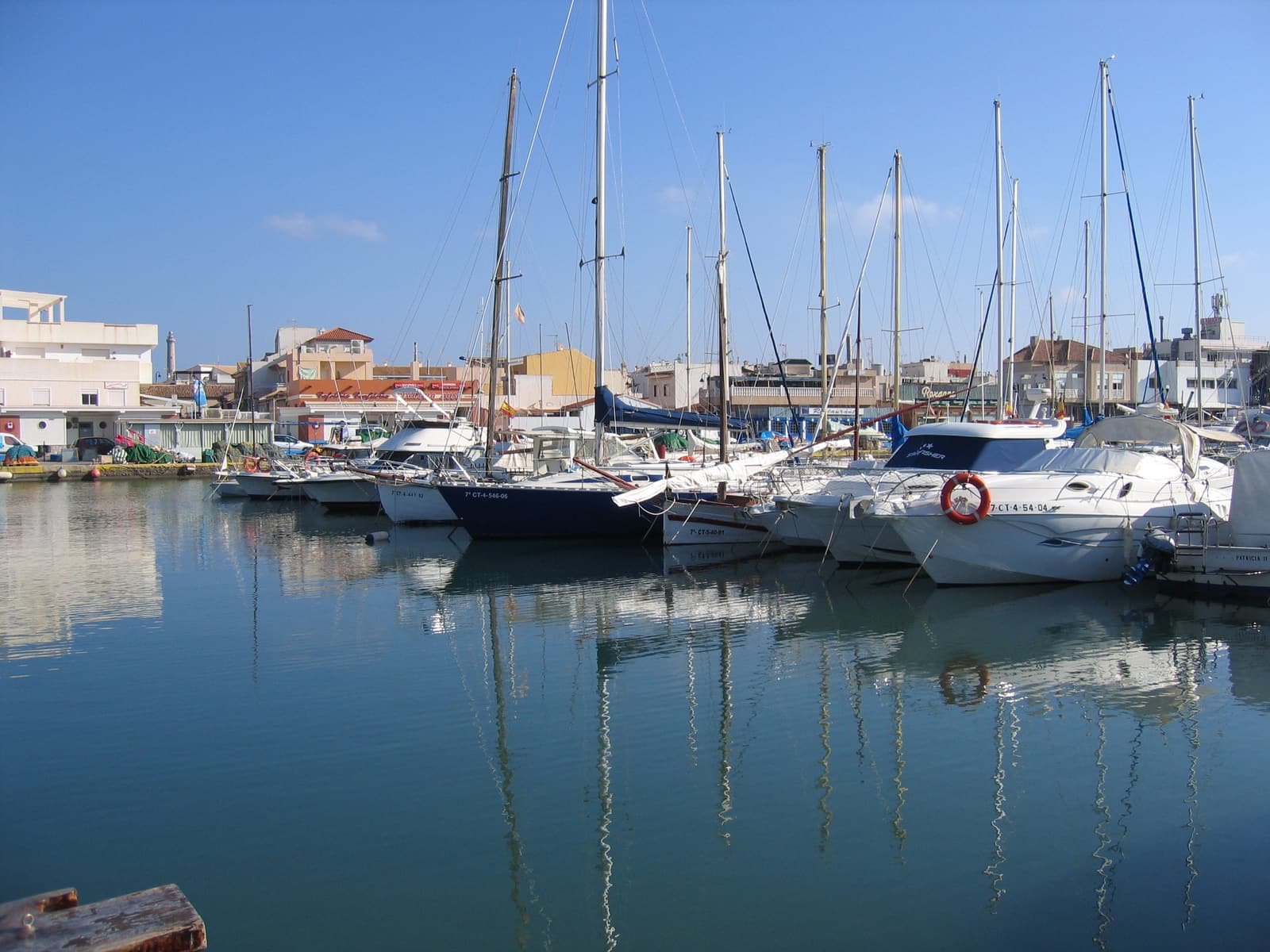
- All dive boats leave from the harbour of Cabo de Palos, where most dive centres have their bases along or just behind the quay. Arrive at least 45 minutes before departure to sort paperwork and kit.
- In July and August dives in the reserve sell out, sometimes weeks ahead, because of the quotas. Email a dive centre with your dates, certification level and number of logged dives before you travel. Bring your certification card, logbook and proof of dive insurance; centres can usually sell a short-term policy.
Insider tips
- Best months: June to October, with the warmest water (around 25–27 °C at the surface) in August and September. September and October combine warm water with fewer people.
- In summer a thermocline is common: it can be 26 °C at the surface and under 18 °C at thirty metres. A 5 mm suit is the usual minimum; 7 mm or a semi-dry in spring.
- Winter and early spring water is about 14–15 °C, but visibility can be superb and the sites are empty.
- Current is what makes the diving good and what makes it demanding. Listen to the briefing and carry a surface marker buoy.
- Nothing may be touched, fed or taken. Feeding the groupers is prohibited.
Best tours: Cabo de Palos & Islas Hormigas Marine Reserve
These top-rated experiences are the easiest way to see Cabo de Palos & Islas Hormigas Marine Reserve:
 Guided swim from €25
 Swimming in the Cabo de Palos Marine Reserve
A guided open-water swim from cove to cove inside the marine reserve. You swim in a small group with a guide who knows the conditions, over rocks and seagrass where wrasse, bream and sometimes octopus are easy to spot. It is a new listing with few reviews so far, all of them excellent.
- Open-water swimming with a guide
- Coves with very clear water
- A protected natural setting
 Guided kayak tour from €35
 Cabo de Palos: Kayak Sightseeing Tour with Snorkeling
The most-reviewed Cabo de Palos activity on GetYourGuide. A guide leads you by kayak along the coves and cliffs of the cape, then you stop to snorkel over the posidonia meadows and rocky reefs of the Cabo de Palos and Islas Hormigas Marine Reserve. No previous kayaking experience is needed in calm conditions.
- Paddle below the cliffs and the lighthouse
- Snorkel stop over the reserve’s seabed
- Kayak, paddle and snorkel gear provided
 Discover scuba dive from €110
 La Manga: Scuba Diving Baptism
A first dive with an instructor, in a safe and controlled environment, with all the gear and photos included. This is the bookable way to try scuba near Cabo de Palos if you have no certificate: the famous seamounts of the reserve are reserved for qualified divers, but a try-dive shows you what the fuss is about.
- No certification needed
- Full equipment included
- Photos of your first dive
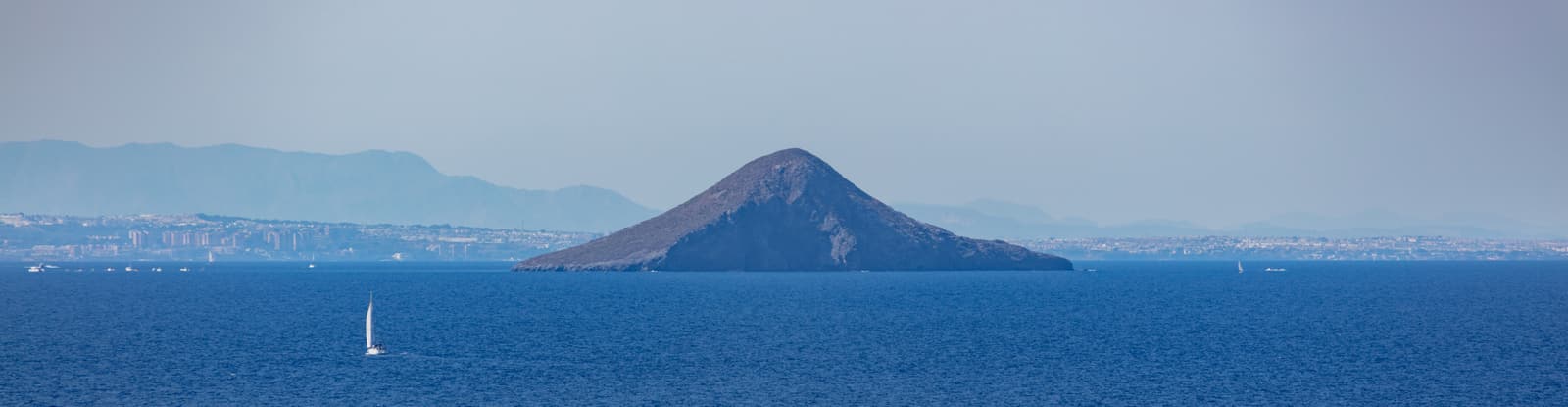 Boat & snorkel tour from €40
 Snorkelling Trip in the Isla Grosa Reserve
A boat excursion from the northern Mar Menor out into the Mediterranean for a guided snorkelling session in the protected waters around Isla Grosa, led by an oceanologist who explains what you are looking at.
- Boat from the Mar Menor to the Mediterranean
- Guided snorkelling led by an oceanologist
- Protected waters around Isla Grosa