Everything in the first group is within walking distance of the harbour. The second group is the surrounding coast, between five and forty-five minutes by car. The third is for days when you want history, a city or a change from the sea.
Places to Visit in & around Cabo de Palos
From the reefs off the lighthouse to a Roman theatre half an hour inland.
Cabo de Palos & the marine reserve
 Cabo de Palos & the marine reserve
 Cabo de Palos & Islas Hormigas Marine Reserve
Some of the best diving in Europe, minutes from the harbour
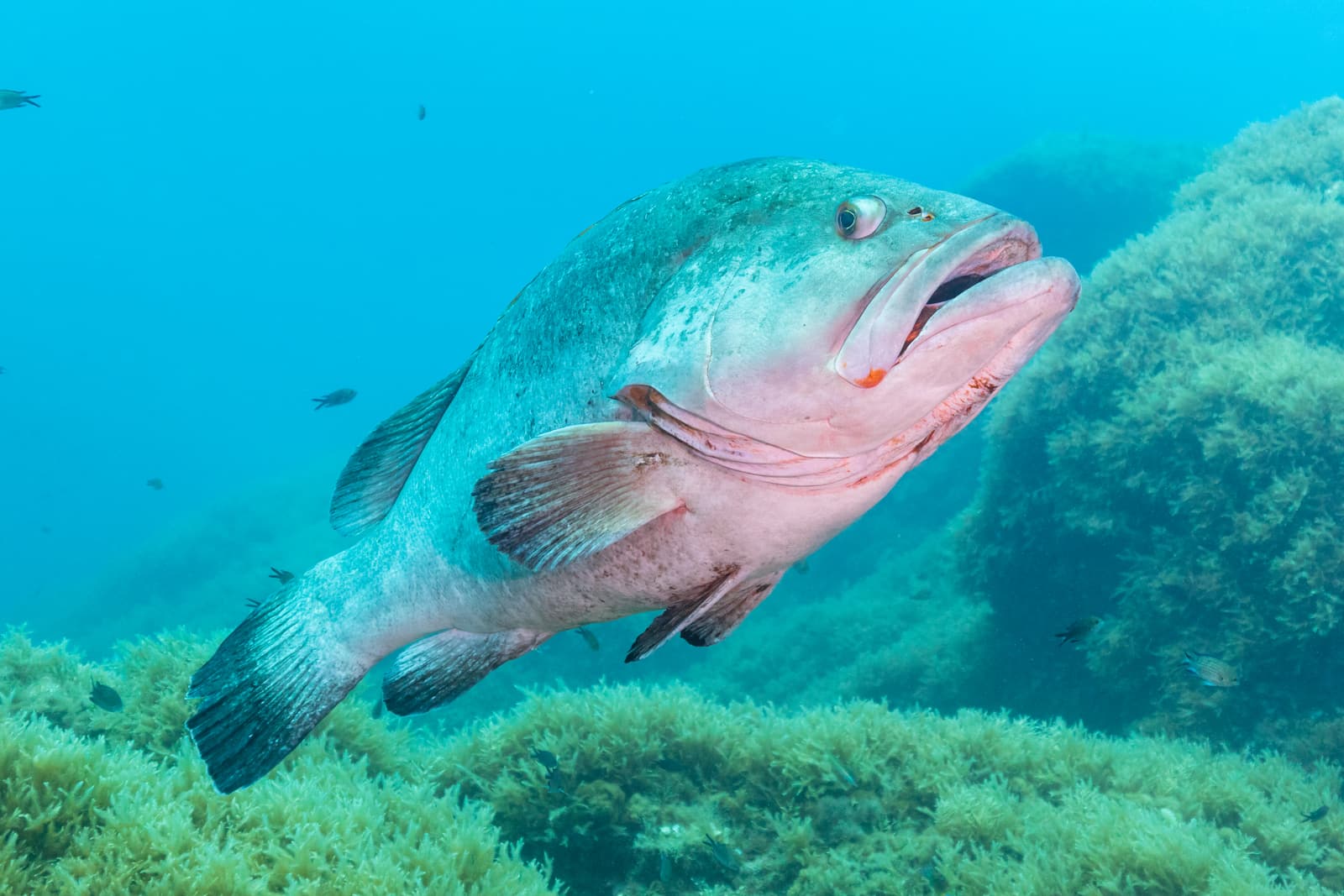
A chain of underwater seamounts running out from the cape to the Hormigas islets, protected since 1995. Big dusky groupers, walls of barracuda and visibility that often passes 20 metres have made it one of the Mediterranean’s most admired dive areas. Diver numbers are limited by daily quotas, arranged through the dive centres in the village.
 Cabo de Palos & the marine reserve
 Cabo de Palos Lighthouse
The stone tower that has marked the cape since 1865
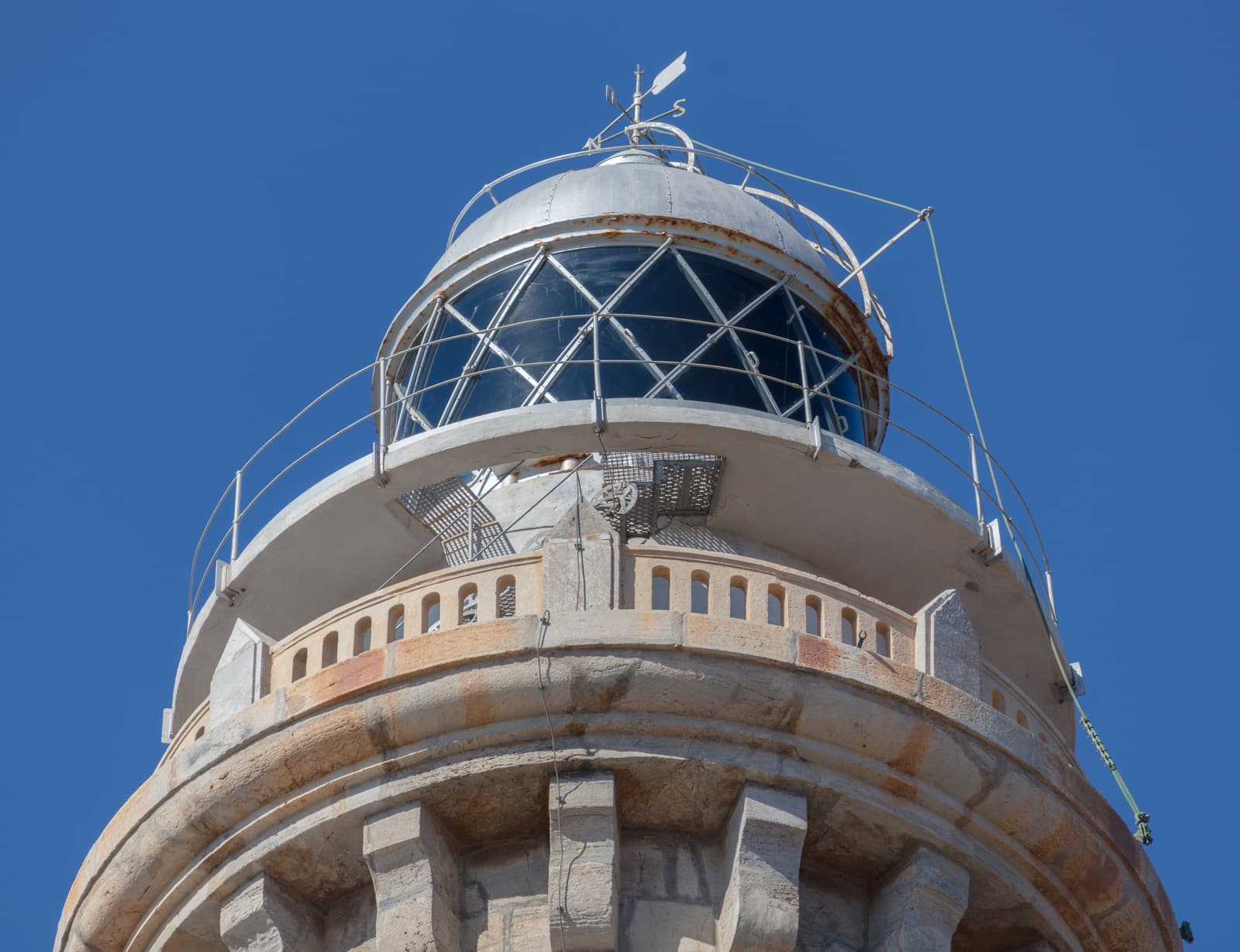
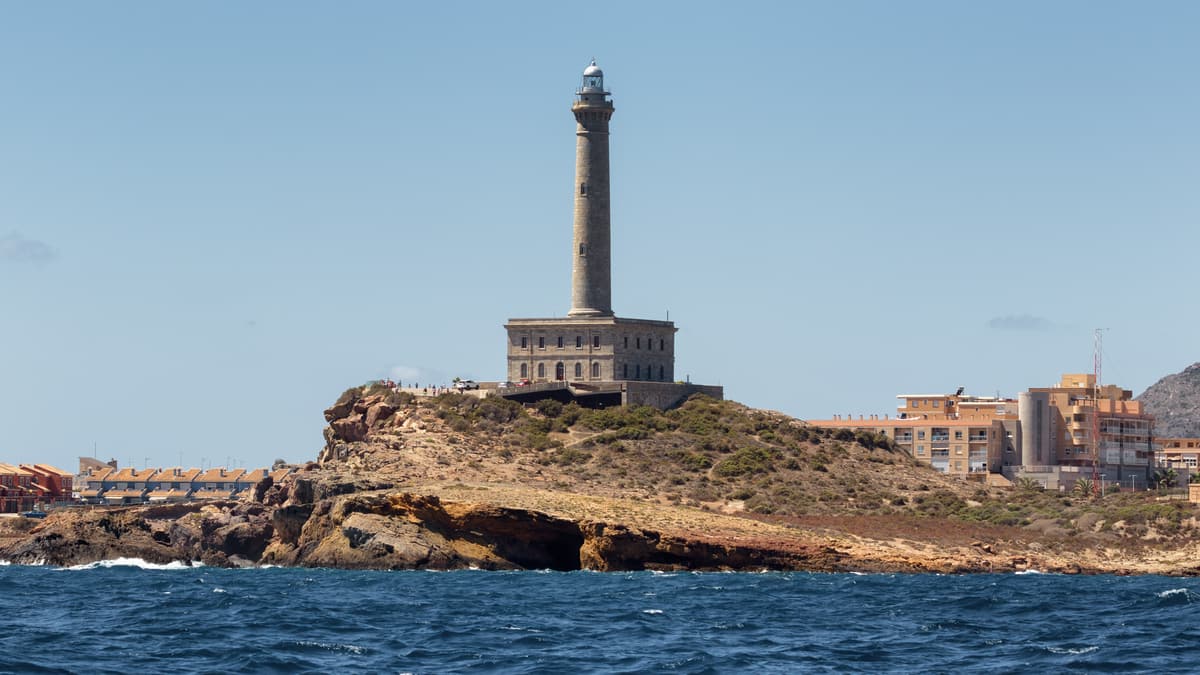
A 51-metre grey stone lighthouse on the rocky headland at the tip of the cape, first lit in 1865 and still working. The walk up to its base gives the best view in the area: the coves below, the Hormigas islets out to sea and the whole length of La Manga to the north.
 Cabo de Palos & the marine reserve
 Harbour & Village
Fishing boats, dive boats and caldero on the quay
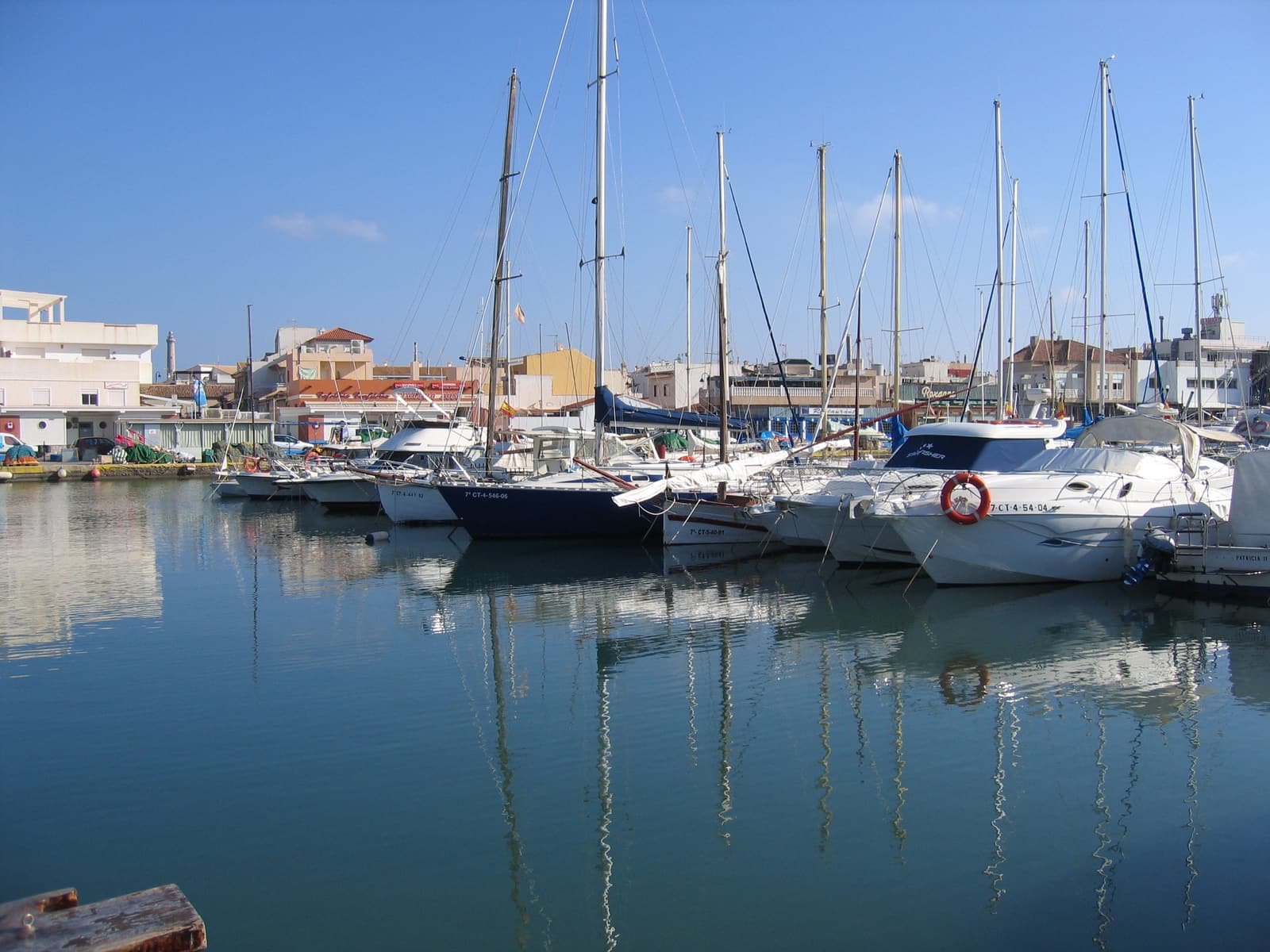
Cabo de Palos is still a working fishing village wrapped around a small harbour. The Paseo de la Barra along the quay is lined with seafood restaurants serving caldero, the local fishermen’s rice; dive centres load their boats alongside; and on Sunday mornings one of the area’s biggest street markets sets up at the edge of the village.
 Cabo de Palos & the marine reserve
 Coves & Beaches
Rocky snorkelling coves and one long sandy beach
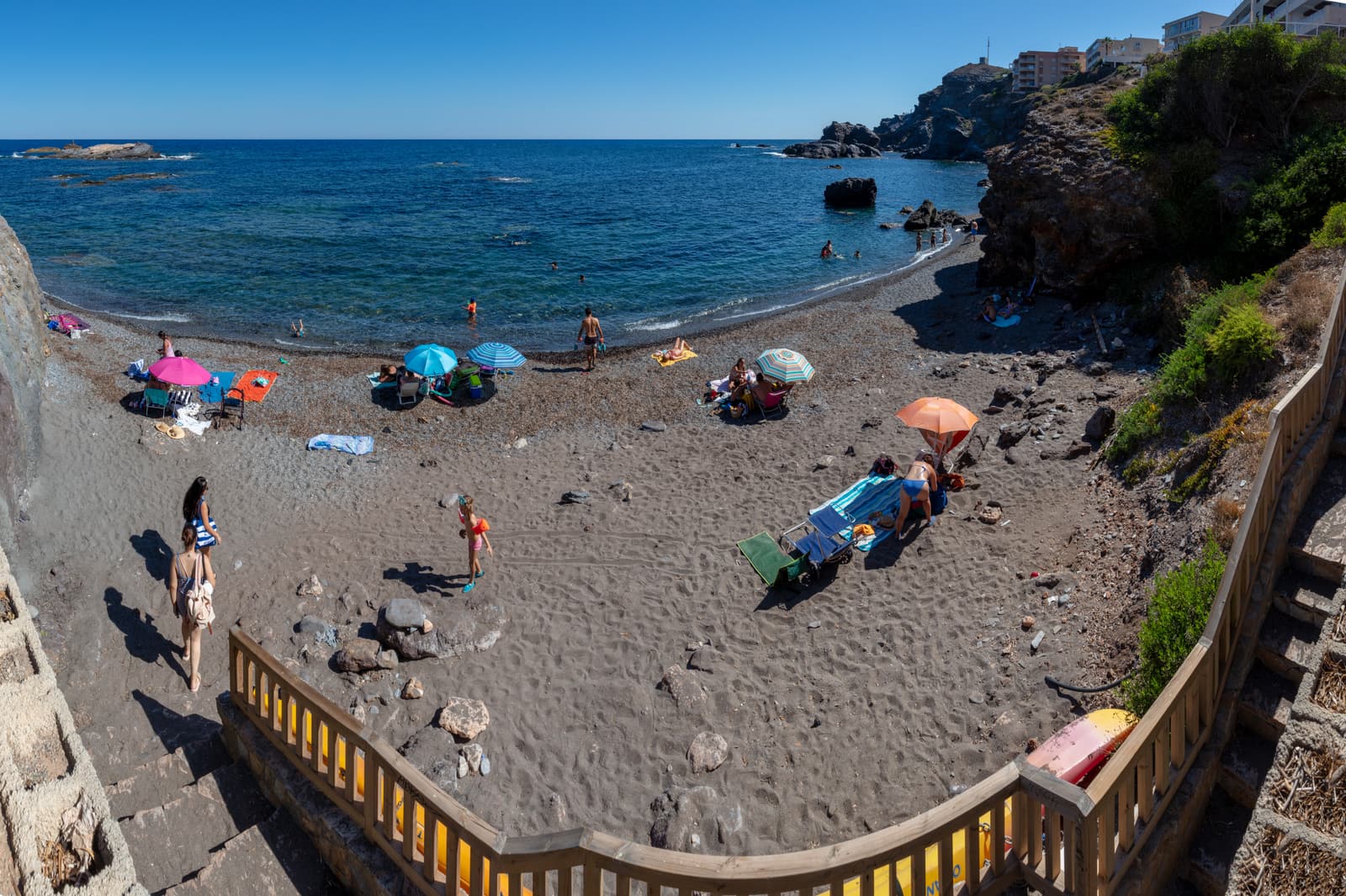
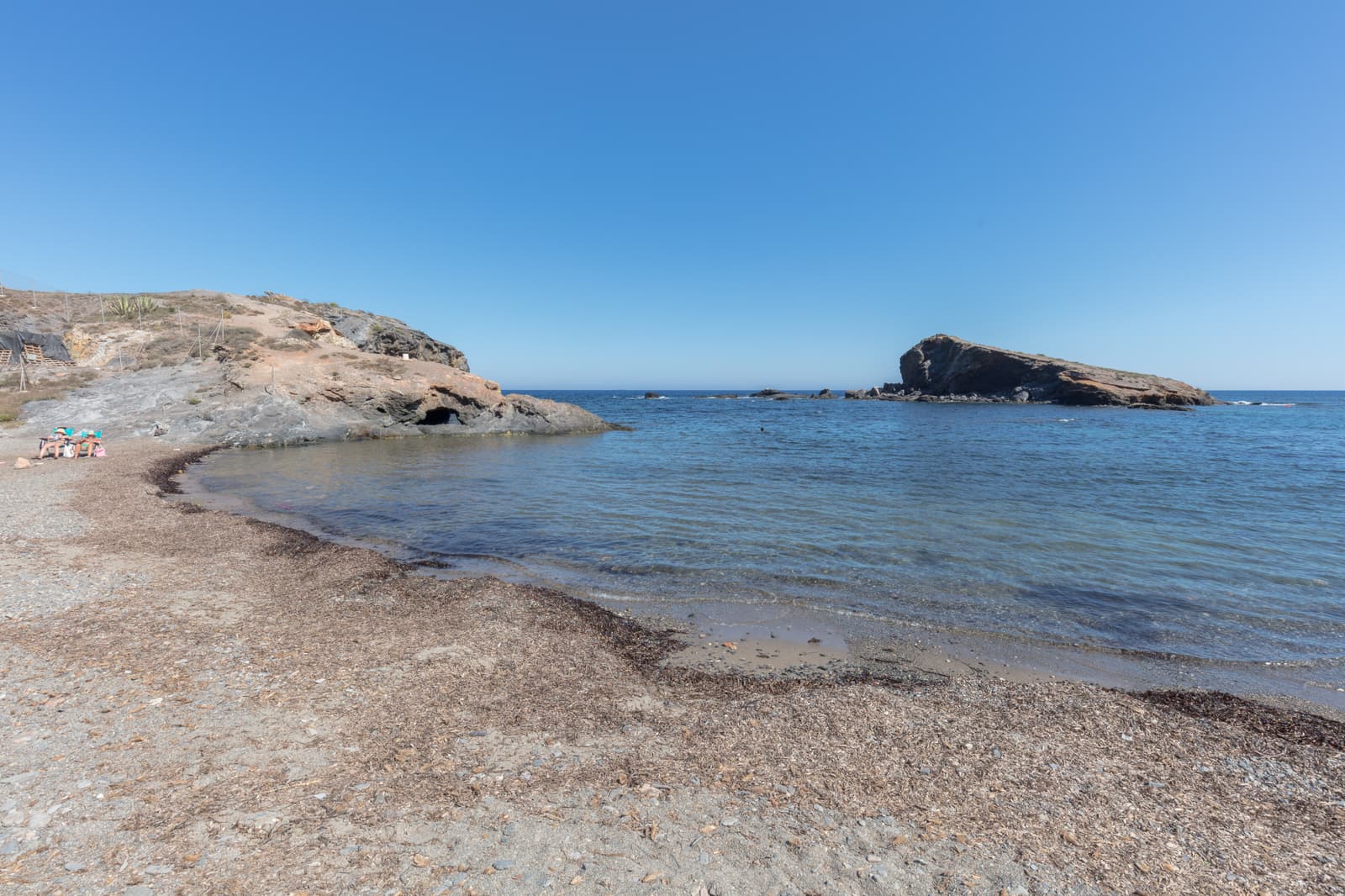
The cape is ringed with small coves of dark rock and clear water — Cala Túnez, Cala Flores, Cala Fría beneath the lighthouse, Cala Reona at the edge of Calblanque — and, to the north, the long sandy Playa de Levante. Bring a mask: the snorkelling starts a few metres from the shore.
Calblanque, La Manga & the Mar Menor
 Calblanque, La Manga & the Mar Menor
 Calblanque Regional Park
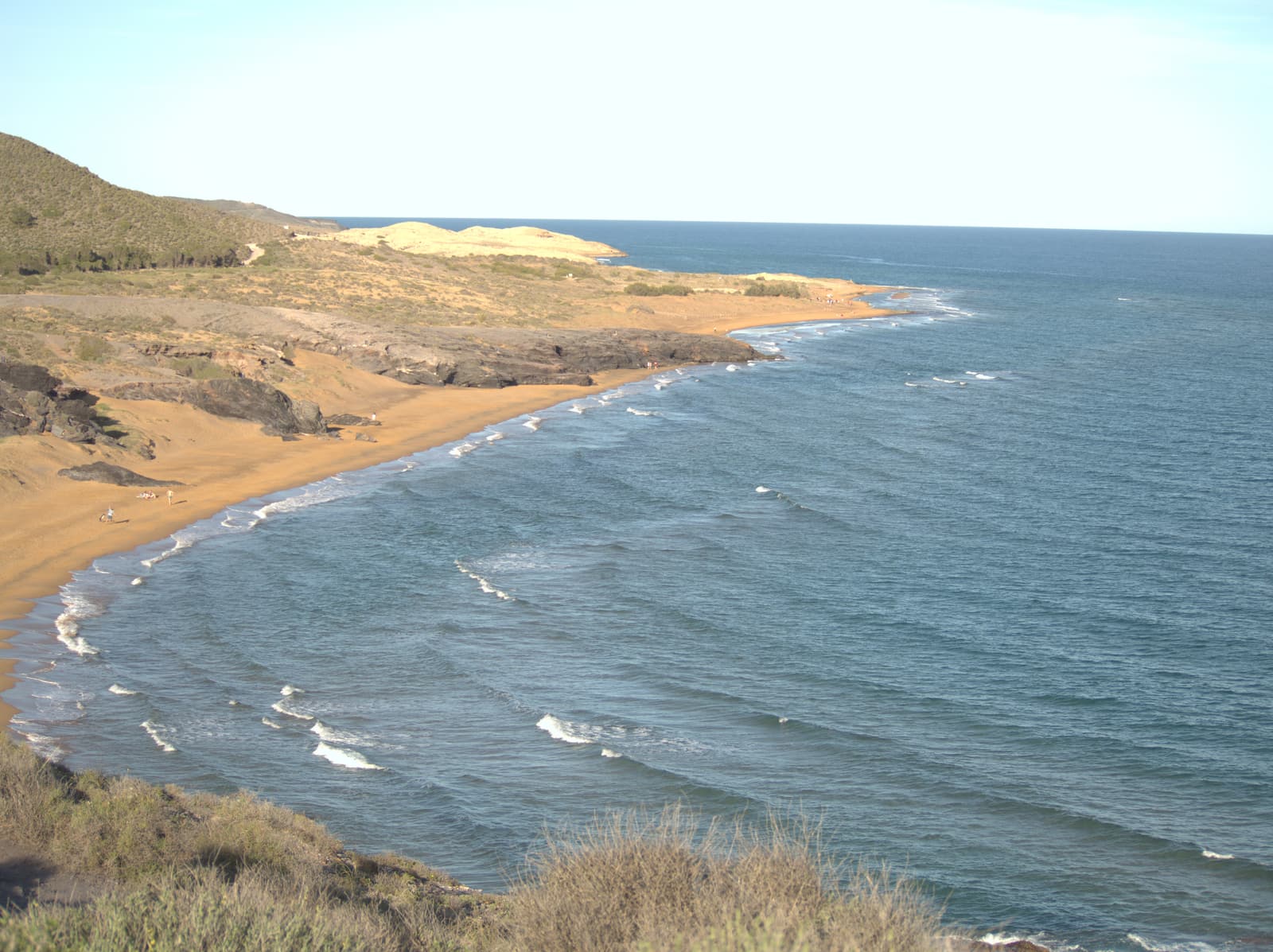
Wild golden beaches with nothing built behind them
A protected stretch of coast immediately south-west of Cabo de Palos: long undeveloped beaches, fossil dunes, old salt pans with flamingos and dry hills with sea views. In high summer private cars are restricted and a shuttle bus runs to the beaches; the rest of the year you can drive in on the dirt tracks.
 Calblanque, La Manga & the Mar Menor
 La Manga del Mar Menor
A 21-kilometre strip of sand between two seas
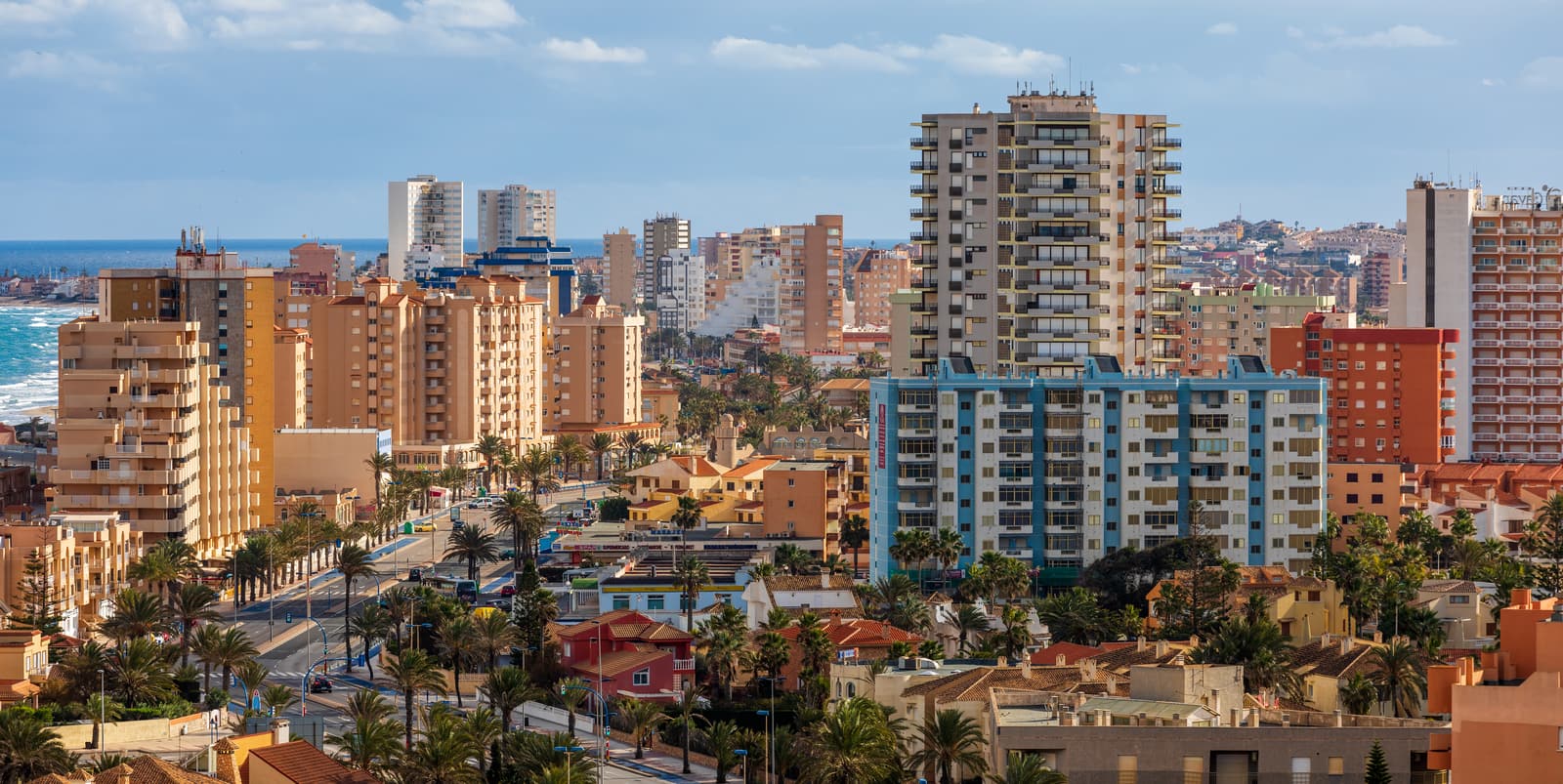
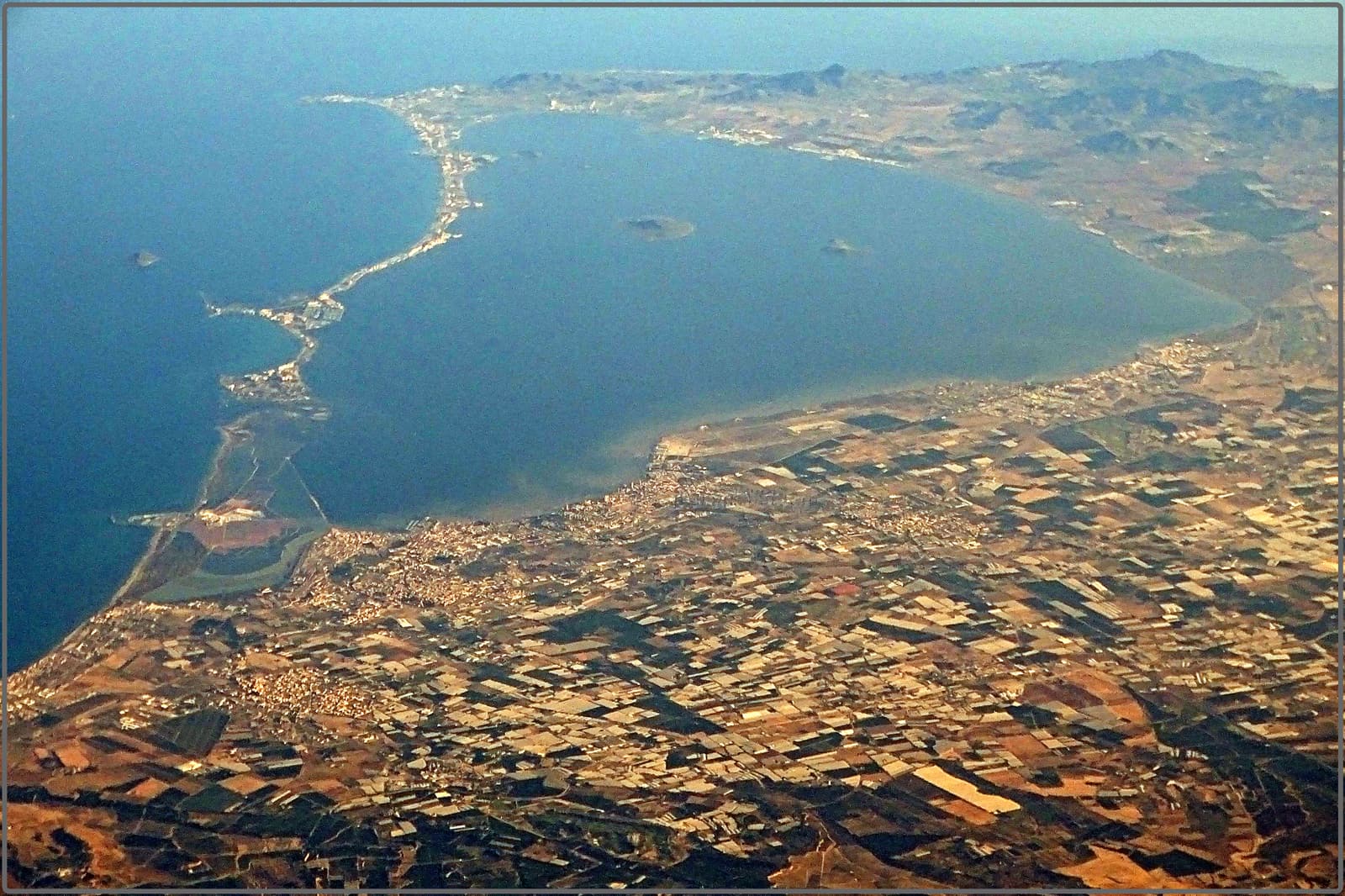
La Manga (“the sleeve”) is a narrow sandbar, built up with hotels and apartments since the 1960s, that separates the Mar Menor lagoon from the Mediterranean. Cabo de Palos sits at its southern end. Choose your sea by the wind: warm and flat on the lagoon side, waves and open water on the other, sometimes only a few minutes’ walk apart.
 Calblanque, La Manga & the Mar Menor
 Mar Menor
A warm, shallow saltwater lagoon with five volcanic islands
The “Lesser Sea” is one of Europe’s largest coastal saltwater lagoons: about 135 square kilometres of calm, shallow, very salty water that warms up early and stays warm late. It is superb for sailing, paddling and small children. It is also an ecosystem under serious pressure, which visitors should know about.
 Calblanque, La Manga & the Mar Menor
 San Pedro del Pinatar Salt Flats & Mud Baths
Flamingos, working salt pans and free mud baths
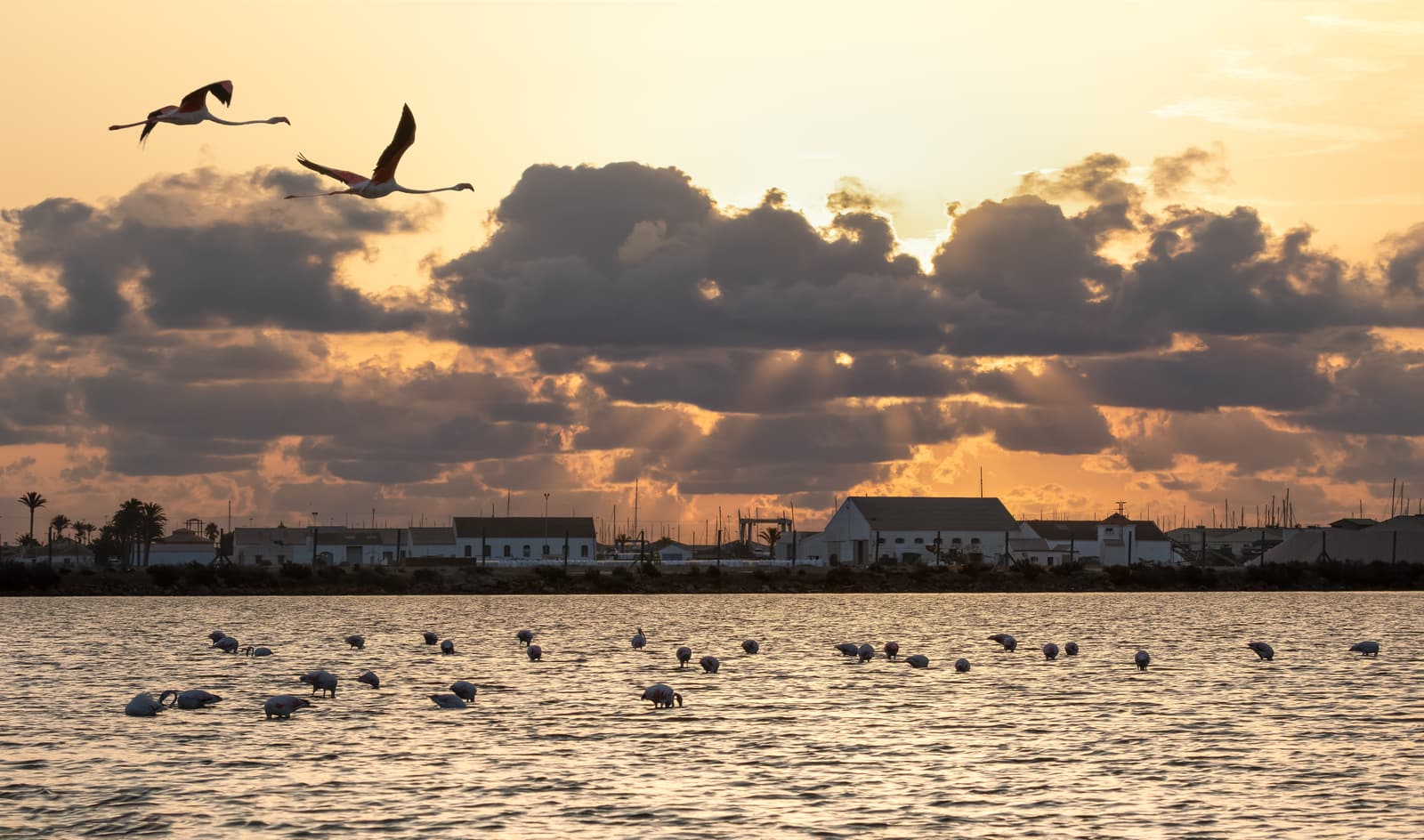
At the northern tip of the Mar Menor, a regional park of salt pans, dunes and pine woods where flamingos feed all year. Beside it, at Lo Pagán, people have long coated themselves in the dark mud of the lagoon’s shallows, and a long walkway leads out between the lagoon and the salt pans to old windmills.
Cartagena, La Unión & Murcia
 Cartagena, La Unión & Murcia
 Cartagena
A Roman theatre, a naval port and streets of modernist façades
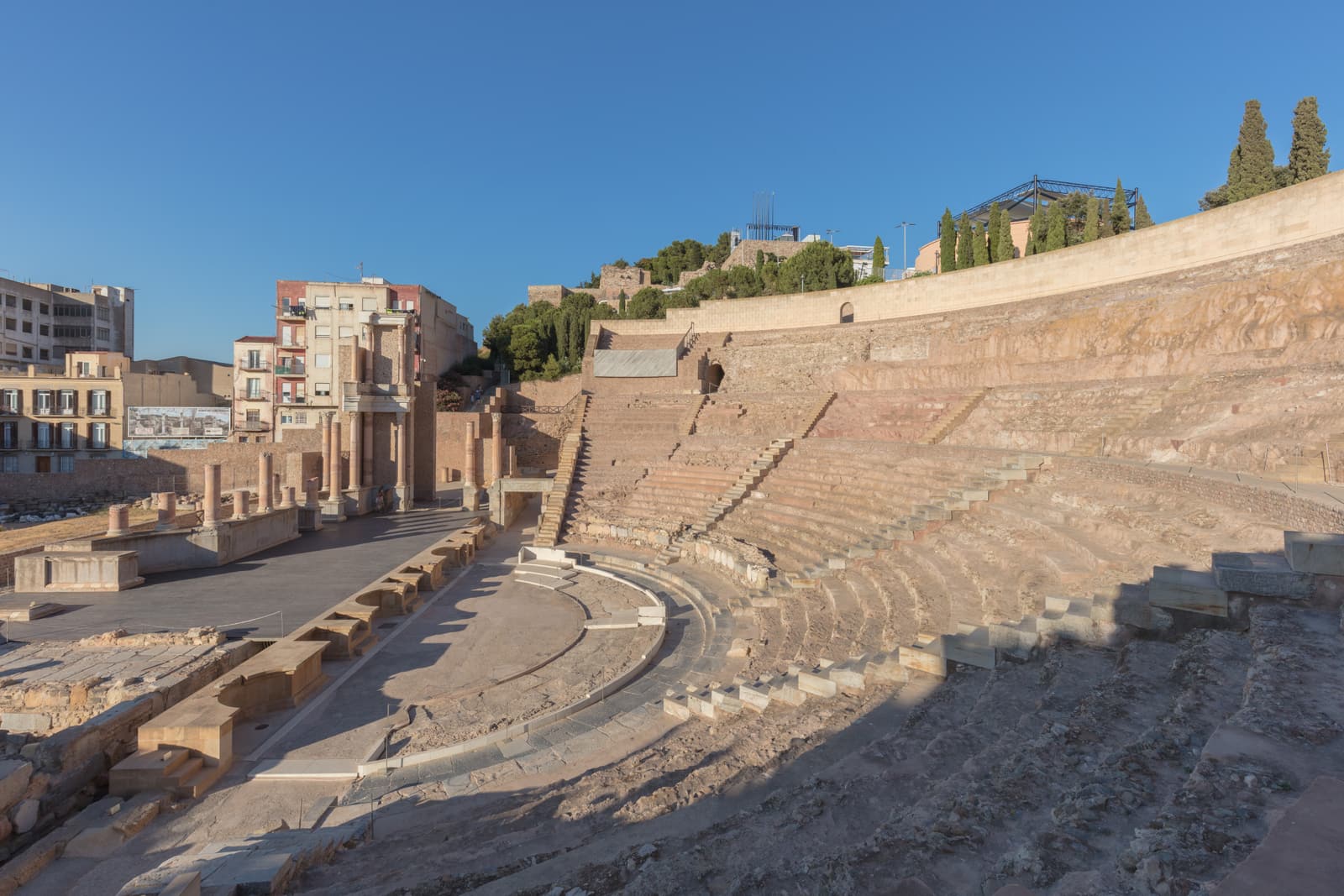
Half an hour from Cabo de Palos, Cartagena has more than two thousand years of history as a naval port: founded by the Carthaginians, taken by Rome, fortified by the Spanish navy. See the Roman Theatre, the National Museum of Underwater Archaeology (ARQVA), the modernist buildings of Calle Mayor and the view from the castle hill.
 Cartagena, La Unión & Murcia
 La Unión Mining Park
Go underground in the hills that built Cartagena’s fortune
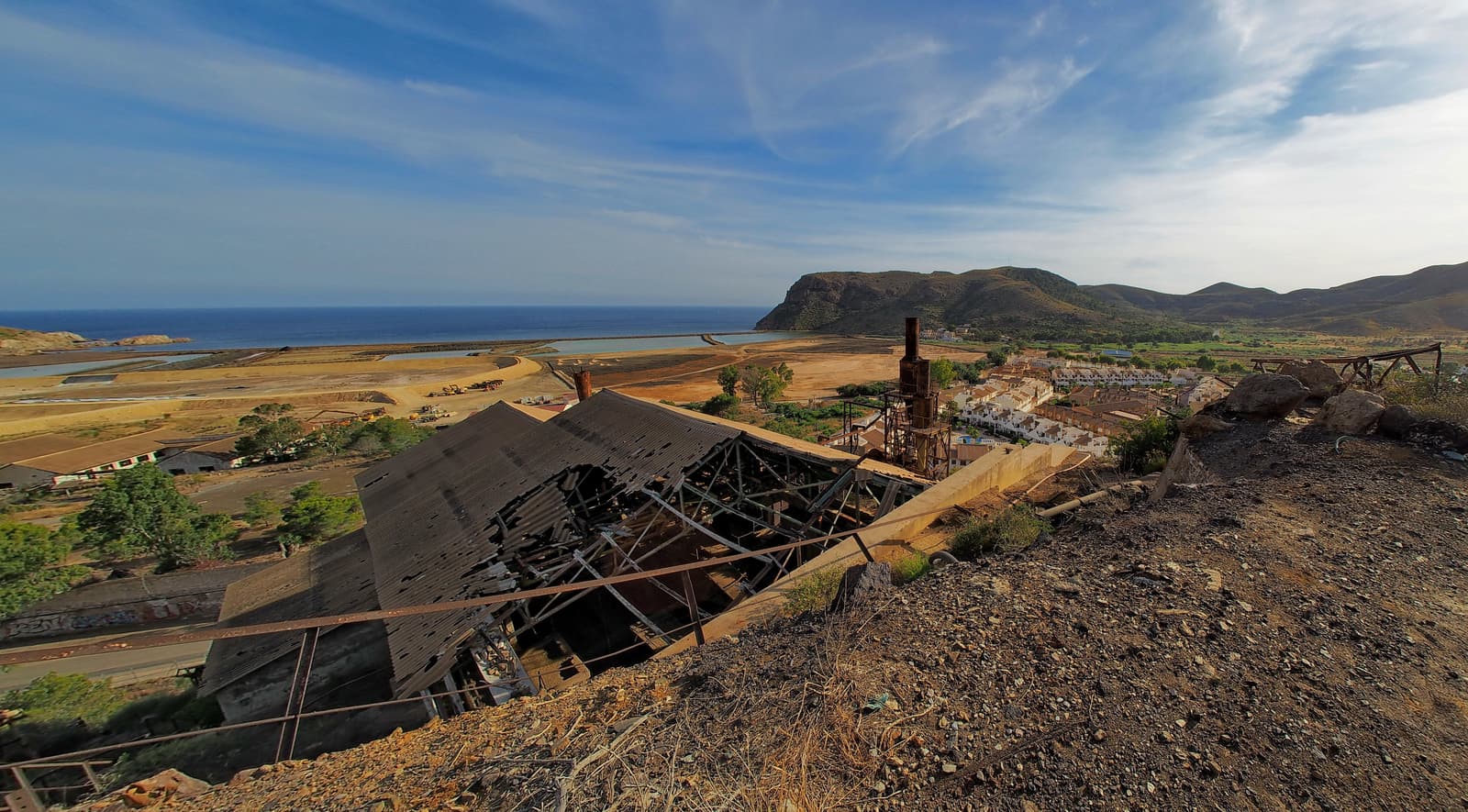
The hills between Cabo de Palos and Cartagena were mined for silver, lead and zinc from antiquity until 1991. At La Unión a mining park takes visitors by road train up the valley and on foot into the Agrupa Vicenta mine. The town’s old iron market hall hosts a famous flamenco festival each August.
 Cartagena, La Unión & Murcia
 Murcia
The regional capital: a baroque cathedral and serious tapas
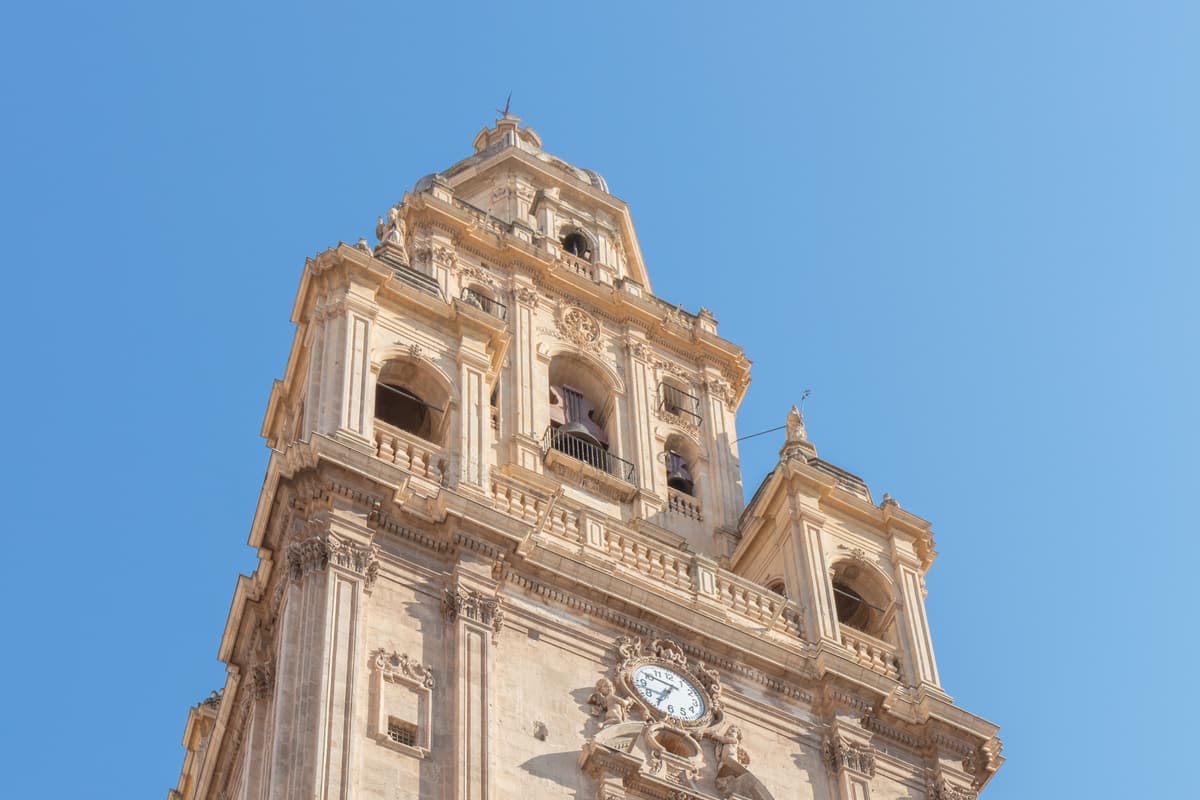
A university city of around 460,000 people set among market gardens on the Segura river, under an hour’s drive inland. Come for the cathedral’s theatrical baroque façade, the extravagant Real Casino, Salzillo’s processional sculptures and one of the most enjoyable tapas scenes in south-east Spain.
How to combine them
A classic long weekend: day one, the village, the lighthouse and the coves; day two, Calblanque on foot from Cala Reona or by kayak; day three, Cartagena, with La Unión on the way. With more time, add a boat trip on the Mar Menor, the flamingos and mud baths of San Pedro del Pinatar, and Murcia. Our travel guide has full itineraries.
Plan your visit
Make Cabo de Palos the highlight of your Costa Cálida trip
Snorkel over the marine reserve in the morning, paddle to hidden coves in the afternoon and watch the sun set between two seas. Compare kayak tours, boat trips and day trips to Cartagena — and book in a couple of taps.