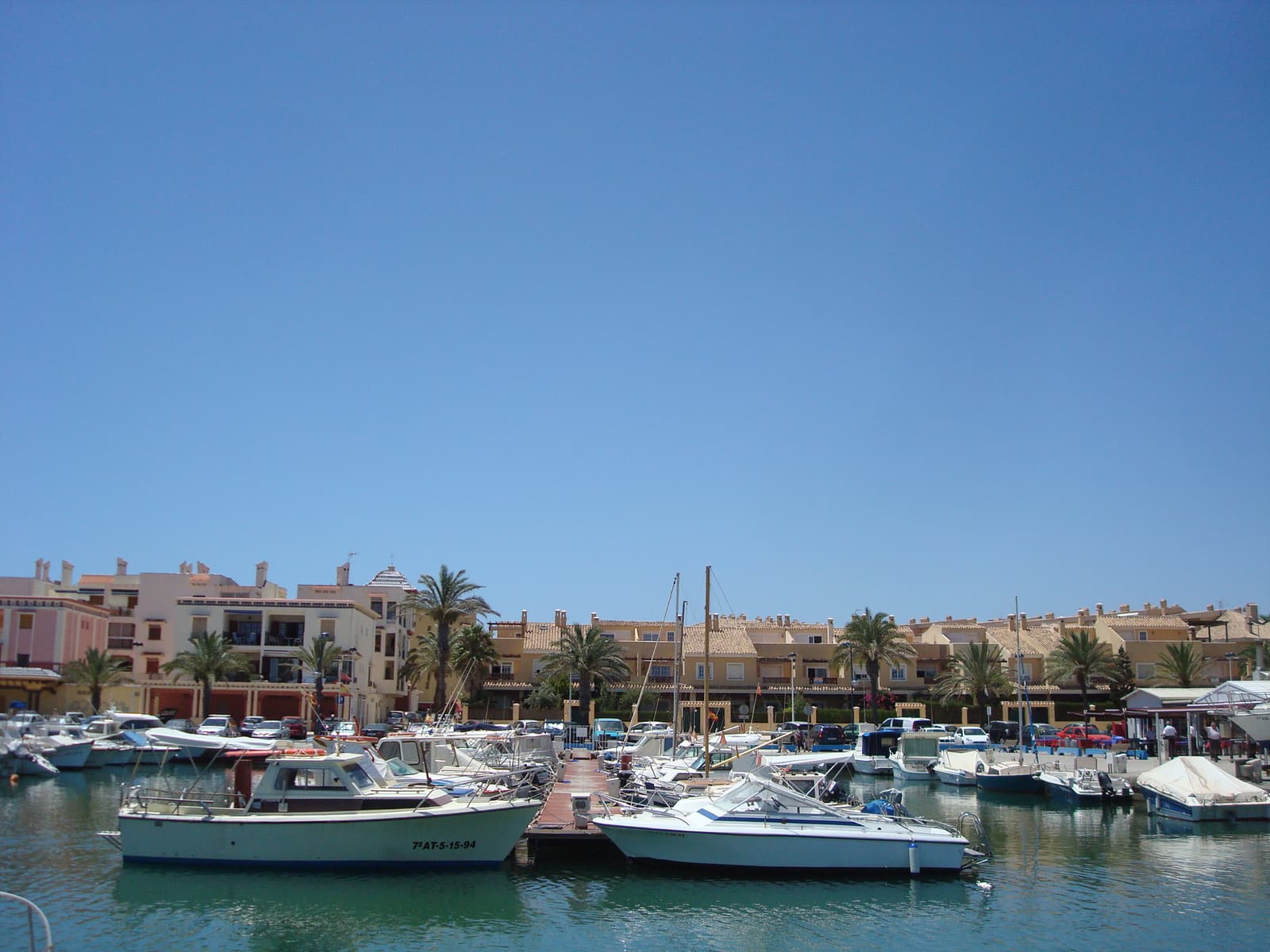
Cabo de Palos is two places in one: a low-key Spanish fishing village where families come for Sunday caldero, and the gateway to a marine reserve that divers cross Europe for. This guide covers both.
Cabo de Palos at a glance
| Where | Region of Murcia, south-east Spain; municipality of Cartagena |
|---|---|
| Known for | Marine reserve diving, lighthouse, coves, caldero |
| Nearest airports | Murcia RMU (40 min), Alicante ALC (1 h 15 min) |
| Language | Spanish; English is common in dive centres and hotels |
| Currency | Euro (€); cards widely accepted, carry some cash for the market |
| Best months | June and September; June–October for diving |
| Time zone | Central European Time (UTC+1, UTC+2 in summer) |
 Cabo de Palos & the marine reserve
 Cabo de Palos & Islas Hormigas Marine Reserve
Some of the best diving in Europe, minutes from the harbour
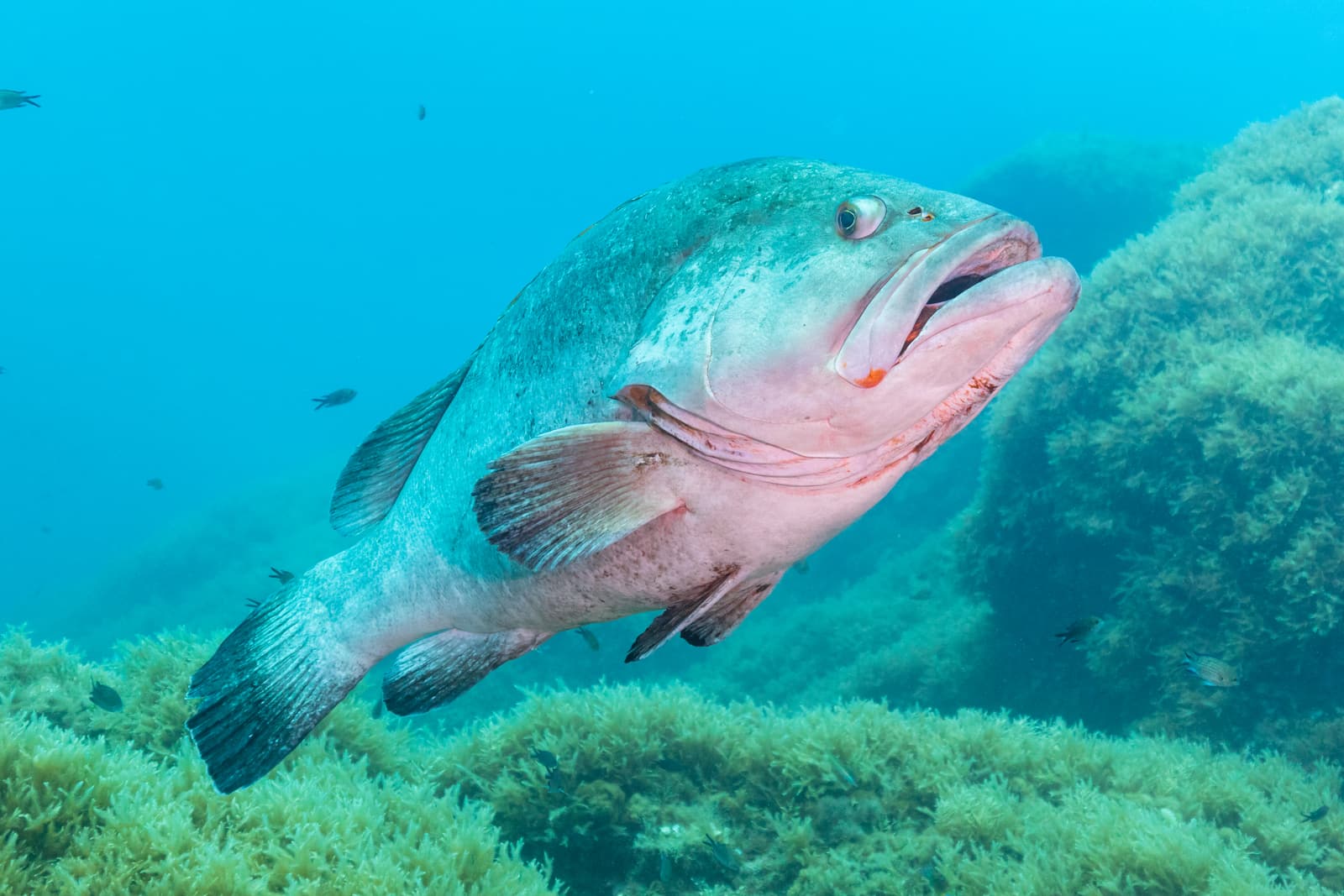
A chain of underwater seamounts running out from the cape to the Hormigas islets, protected since 1995. Big dusky groupers, walls of barracuda and visibility that often passes 20 metres have made it one of the Mediterranean’s most admired dive areas. Diver numbers are limited by daily quotas, arranged through the dive centres in the village.
 Cabo de Palos & the marine reserve
 Cabo de Palos Lighthouse
The stone tower that has marked the cape since 1865
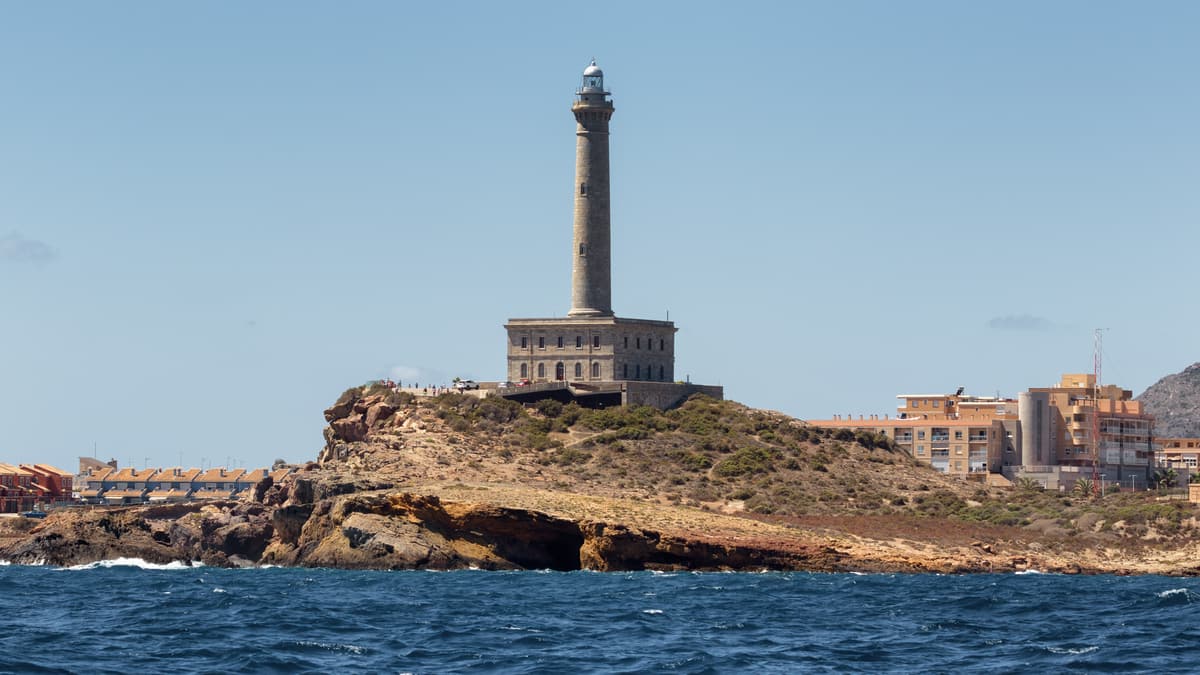
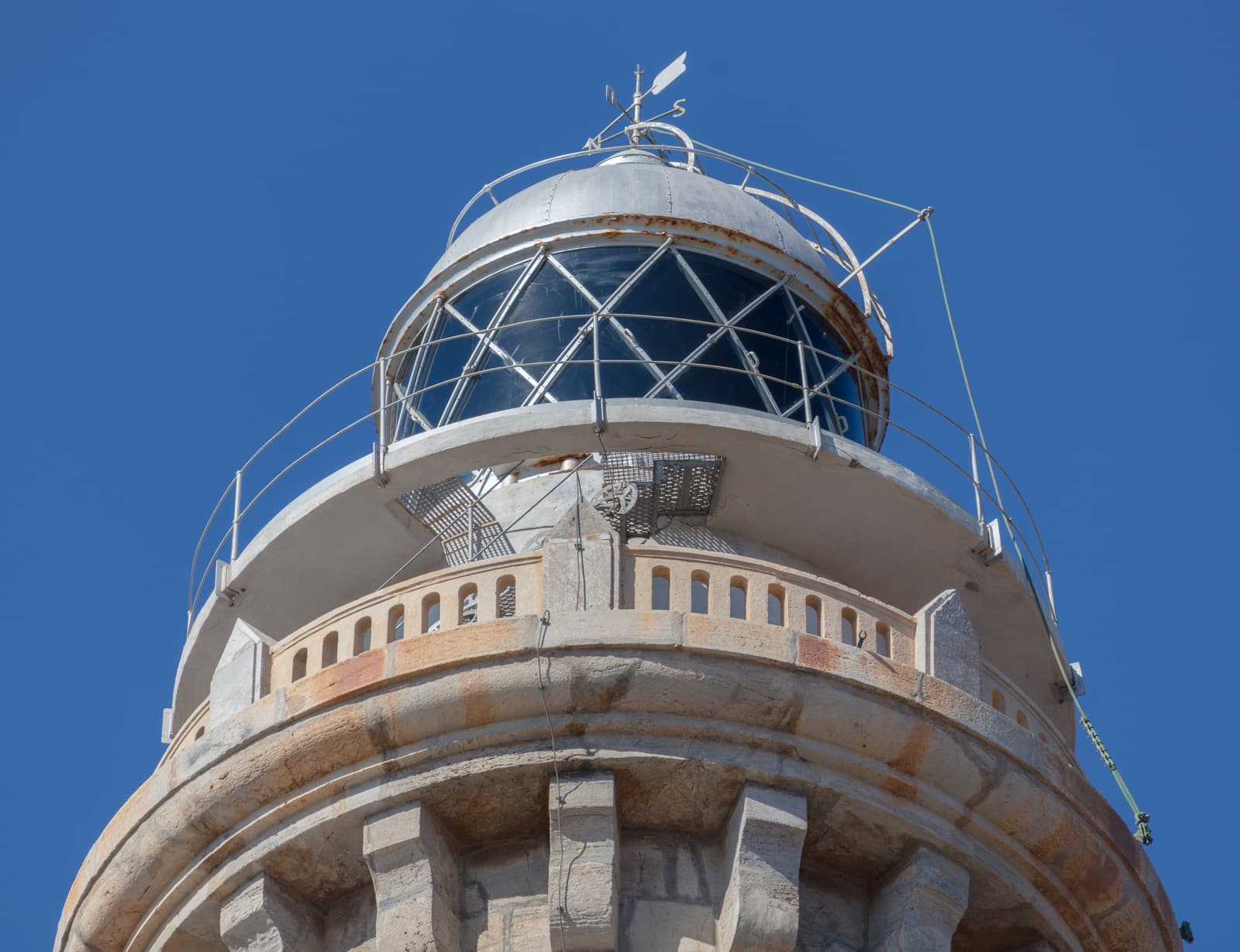
A 51-metre grey stone lighthouse on the rocky headland at the tip of the cape, first lit in 1865 and still working. The walk up to its base gives the best view in the area: the coves below, the Hormigas islets out to sea and the whole length of La Manga to the north.
 Cabo de Palos & the marine reserve
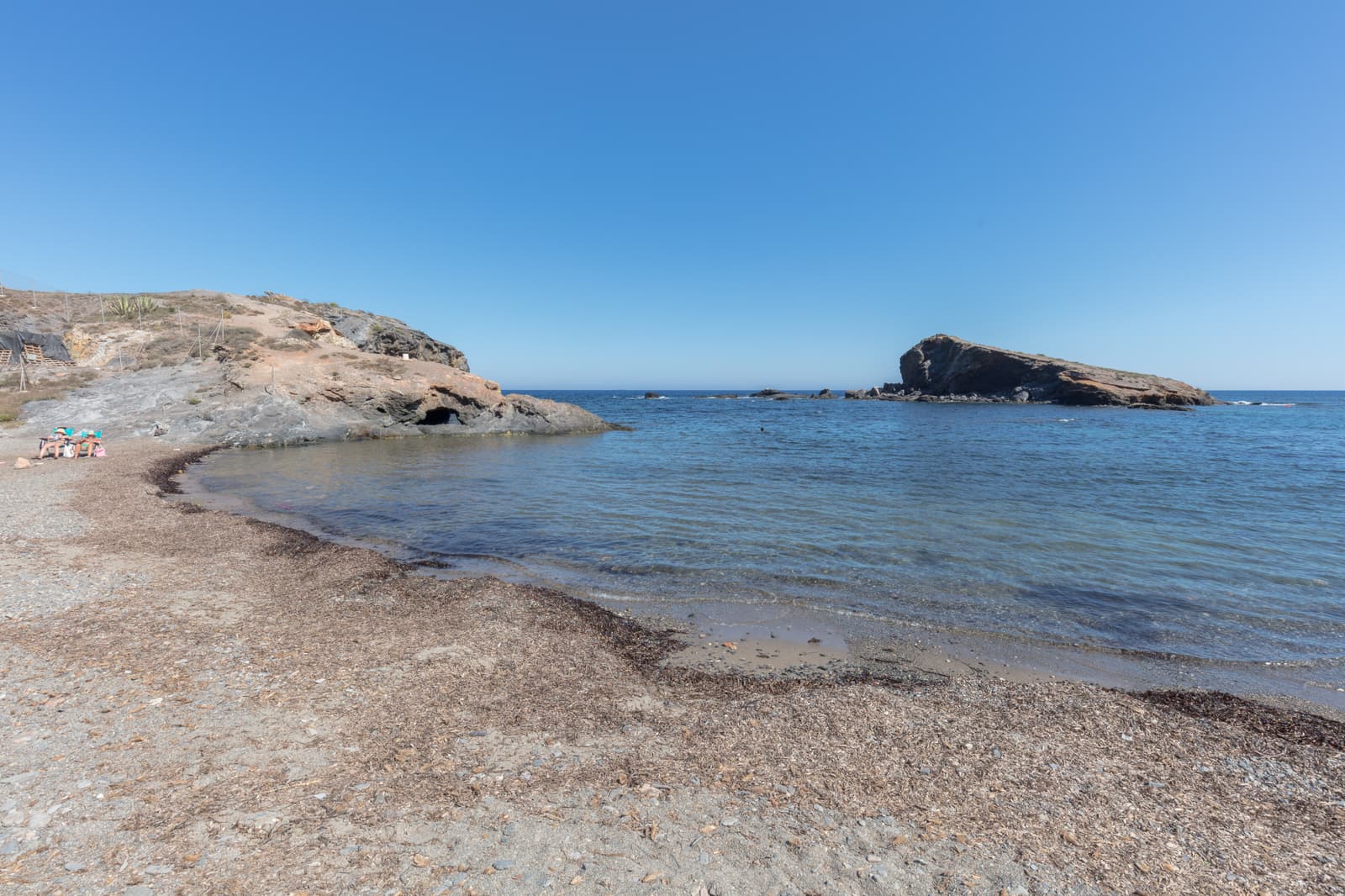
 Coves & Beaches
Rocky snorkelling coves and one long sandy beach
The cape is ringed with small coves of dark rock and clear water — Cala Túnez, Cala Flores, Cala Fría beneath the lighthouse, Cala Reona at the edge of Calblanque — and, to the north, the long sandy Playa de Levante. Bring a mask: the snorkelling starts a few metres from the shore.
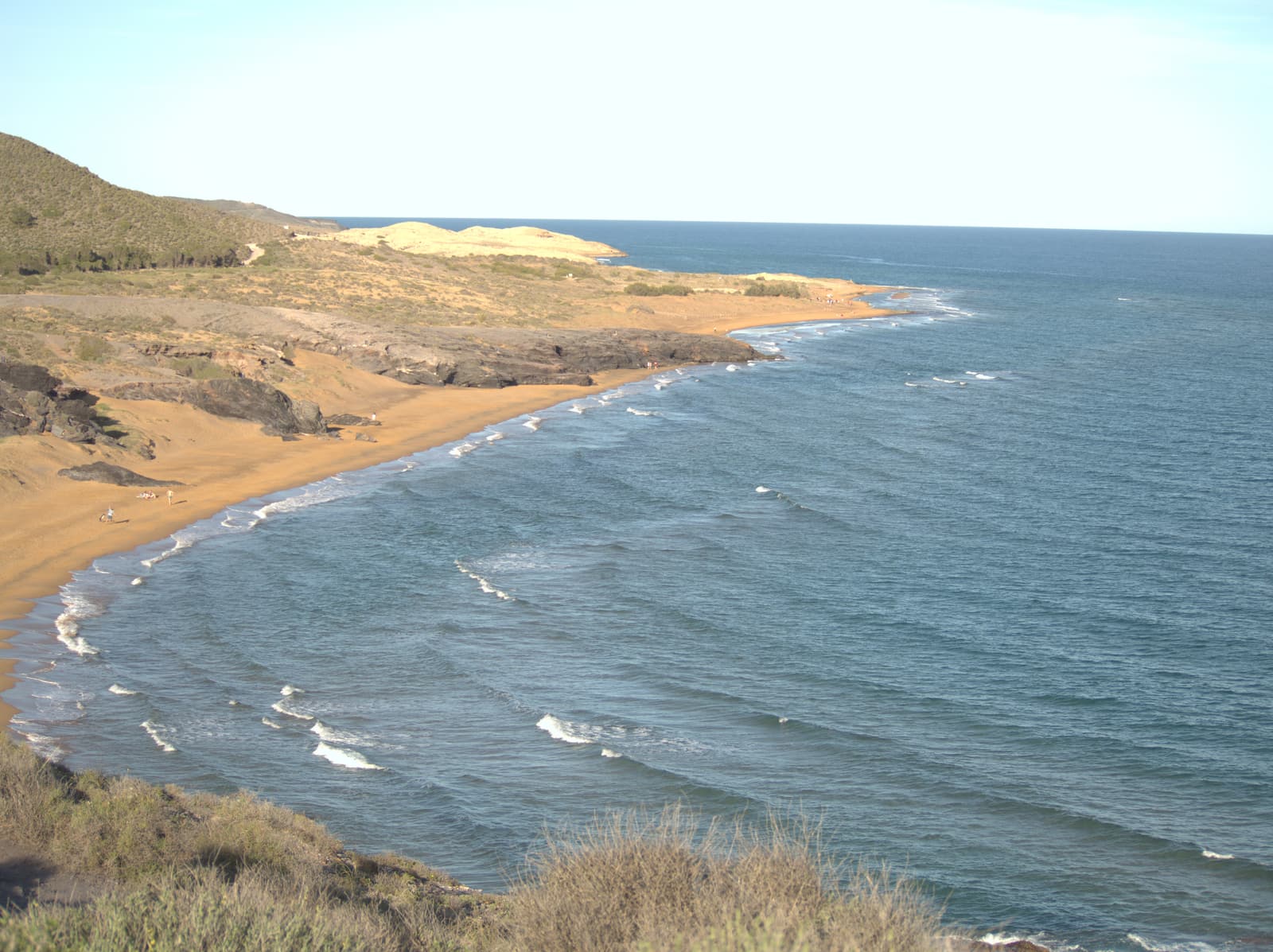 Calblanque, La Manga & the Mar Menor
 Calblanque Regional Park
Wild golden beaches with nothing built behind them
A protected stretch of coast immediately south-west of Cabo de Palos: long undeveloped beaches, fossil dunes, old salt pans with flamingos and dry hills with sea views. In high summer private cars are restricted and a shuttle bus runs to the beaches; the rest of the year you can drive in on the dirt tracks.
A little history
The name probably comes from the Latin palus, a lagoon — the Mar Menor behind the cape. For centuries this was an empty, dangerous coast, raided by Barbary corsairs; a watchtower stood on the cape from the sixteenth century. A fishing settlement grew up around the inlet, the lighthouse was lit in 1865, and on 4 August 1906 the village entered the history books when the Italian emigrant liner Sirio ran on to the Bajo de Fuera reef. Local fishermen put out in their boats and saved hundreds of people; several hundred more drowned. The village still commemorates the rescue.
Tourism arrived with the development of La Manga from the 1960s. Cabo de Palos stayed small, and the creation of the marine reserve in 1995 gave it a second life as Spain’s best-known dive village.
Diving: how it works
The Cabo de Palos and Islas Hormigas Marine Reserve is the reason many visitors come. The essentials:
- Permits and quotas. The number of divers on each site is limited every day. Authorised dive centres obtain the permits; you book a place on their boat.
- Book early. For July, August and holiday weekends, write to a centre weeks in advance.
- Documents. Certification card, logbook and dive insurance. Some centres also ask for a recent medical declaration.
- Experience. The outer seamounts and the wrecks involve depth and current. Expect to be asked for an advanced qualification and a minimum number of logged dives; centres often start you on an easier site.
- The sites. Bajo de Dentro, Bajo de Piles and Bajo de Testa inside the reserve; Bajo de Fuera for the most experienced; and the wreck of the Naranjito just outside it. The deep wrecks of the Sirio and the Stanfield are for technical divers.
- Learning. Try-dives and courses are run in sheltered water. A try-dive in La Manga can be booked online.
Snorkelling and swimming
The coves around the cape are some of the best shore snorkelling on the Spanish mainland: Cala Fría under the lighthouse, Cala Flores and Cala Túnez on the south side, Cala Reona for an easy sandy entry. Go in the morning before the breeze picks up, and choose your cove according to the wind. For open sand, Playa de Levante runs north from the village.
On land
- Walk up to the lighthouse at sunset.
- Follow the coast path from Cala Reona into Calblanque.
- Browse the Sunday market and have lunch on the harbour.
- Cycle the first kilometres of La Manga and swim in both seas.
- Spend a day in Cartagena, stopping at La Unión.
Food and drink
Order caldero at least once: rice cooked in rock-fish stock with ñora peppers, served with alioli, then the fish. Beyond that, the local table is about fish and the vegetables of the Campo de Cartagena: Mar Menor prawns, sea bream in salt, grilled octopus, michirones (stewed broad beans), tomato salads with cured tuna, and to finish an asiático coffee. Wines from Jumilla, Yecla and Bullas, all in the Region of Murcia, are good value. Lunch is the main meal and runs late.
Suggested itineraries
One day
Morning snorkel at Cala Flores or a kayak-and-snorkel tour; caldero on the Paseo de la Barra; siesta on Playa de Levante; lighthouse at sunset.
Three days
Day 1 as above. Day 2: walk from Cala Reona into Calblanque (or the summer bus), picnic on Playa Larga, evening boat trip on the Mar Menor. Day 3: Cartagena — Roman Theatre, ARQVA, lunch in the centre — with the mine at La Unión on the way back.
A week
Add two or three mornings of diving or a course, a day at San Pedro del Pinatar for flamingos and mud baths, a day in Murcia, and an unplanned day decided by the wind.
Money and costs
Cabo de Palos is moderately priced by Spanish coastal standards. Accommodation costs most in August and can be half that in June or late September. Caldero is priced per person with a two-person minimum. Dive prices vary by site and whether you need equipment; reserve dives cost more than ordinary ones because of the boat and permit. Check current rates with centres directly — we do not quote figures that go out of date.
Safety and health
- Sun and heat. Summer UV is strong and shade is scarce on the coves and in Calblanque. Hat, water, reef-friendly sunscreen.
- Sea. Respect flags. Currents can be strong off the headlands and on Calblanque’s beaches. Most coves have no lifeguard.
- Jellyfish. Present some summers; if stung, rinse with sea water rather than fresh water and ask a lifeguard or pharmacist.
- Storms. Autumn can bring short, violent rainstorms (known locally as DANA or gota fría) with flash flooding. Follow official warnings.
- Emergencies. The Europe-wide number 112 works throughout Spain. The nearest hospitals are in Cartagena.
- Diving. Dive within your training, with insurance.
What to pack
- Mask and snorkel, water shoes for the rocky coves.
- Sun hat, long-sleeved swim top, plenty of sunscreen.
- Light windproof layer — the cape is breezy, even in summer evenings.
- Walking shoes for the Calblanque path.
- Divers: certification, logbook, insurance, and your own computer and SMB if you have them.
Responsible travel
The reserve works because the rules are kept. Do not touch or feed marine life, do not take shells or urchins, anchor only where permitted, and keep off the fossil dunes and nesting areas in Calblanque. Fresh water is precious in this semi-arid region: use it sparingly. And when you choose where to swim on the lagoon side, bear in mind the state of the Mar Menor.