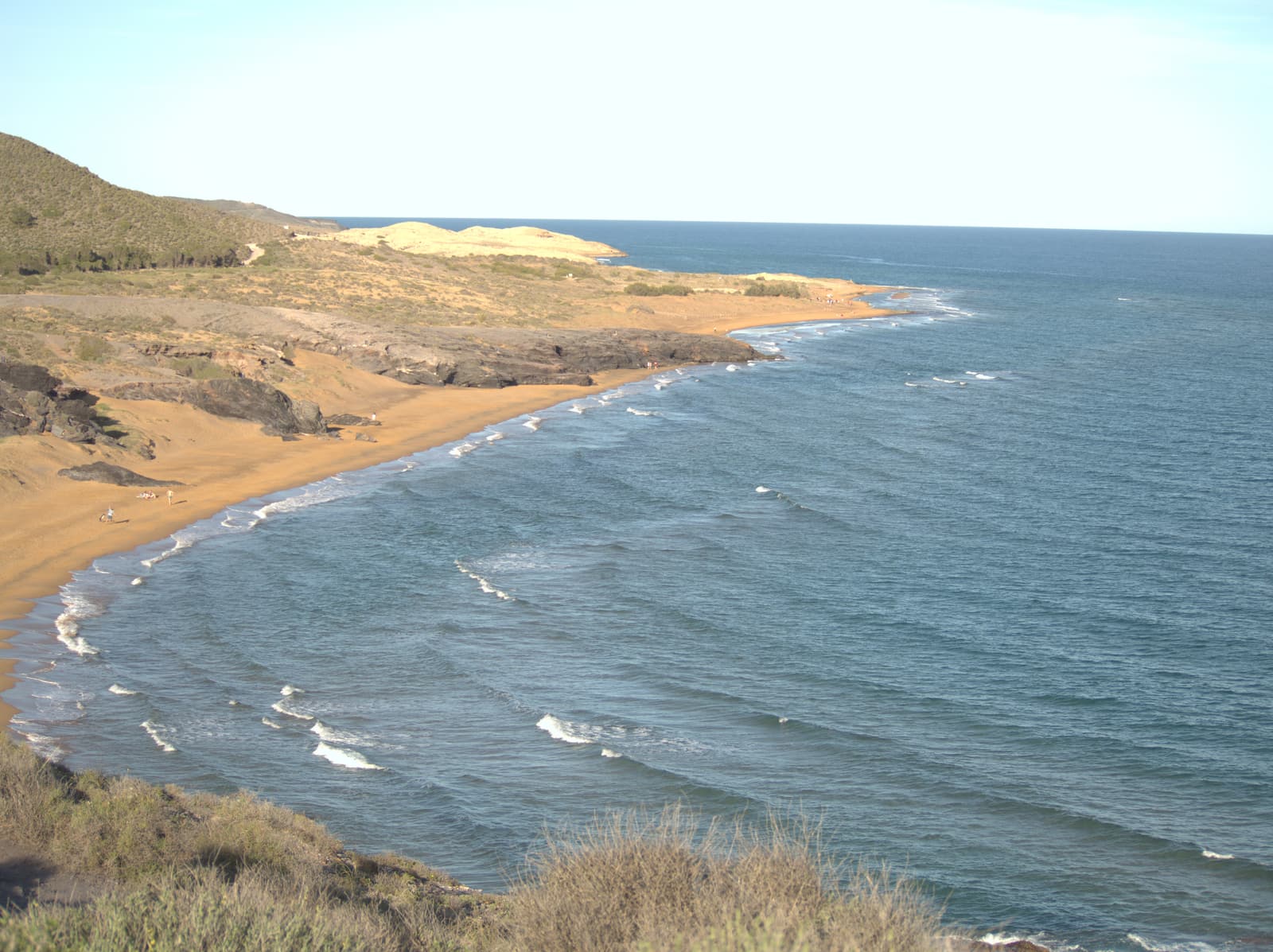
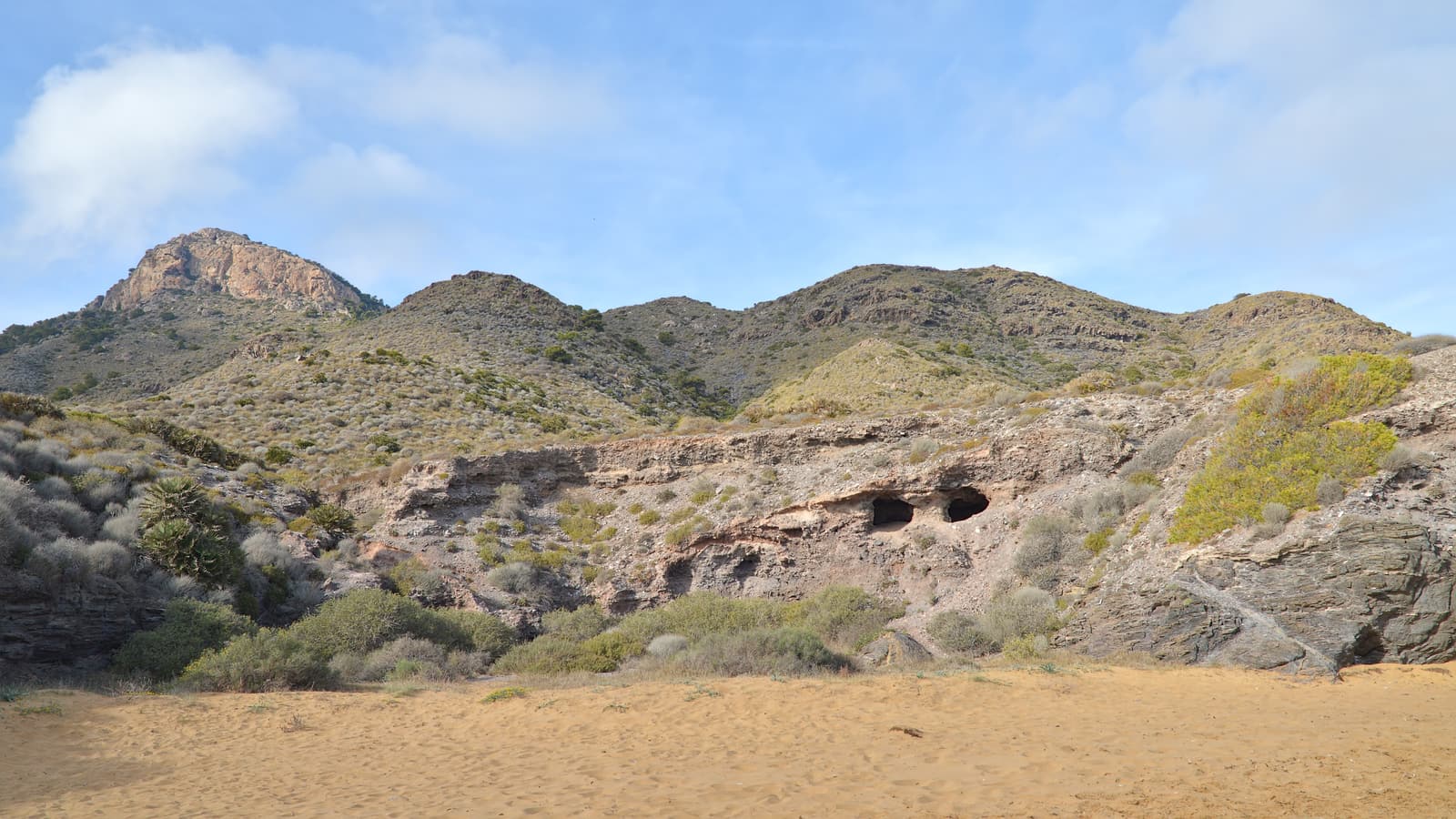
Ten minutes from Cabo de Palos the buildings stop. The Regional Park of Calblanque, Monte de las Cenizas and Peña del Águila protects around 2,500 hectares of coast and hills that escaped the development of the 1960s and 70s: a run of golden beaches backed by dunes and low cliffs, with no promenade, no apartments and almost no facilities.
It is the wildest stretch of coast in the Region of Murcia and, on a quiet day out of season, one of the most beautiful in Mediterranean Spain. It is also fragile and very popular, which is why access is managed in summer.
Top things to do: Calblanque Regional Park
Choose a beach
From east to west the main beaches include Playa de Calblanque, Playa Larga, Playa de las Cañas, Playa Negrete and Playa Parreño, with smaller coves between them. Sand is golden to ochre; the water deepens quickly and can have strong waves and currents. Nudism is customary on some of the quieter beaches.
Walk in from Cala Reona
The best approach on foot is the coastal path from Cala Reona, at the edge of Cabo de Palos. It climbs over a headland and follows the cliffs, passing tiny coves, to reach the first big beaches in roughly an hour. It is rocky and exposed, with some steep, loose sections: wear shoes, not flip-flops, and carry water.
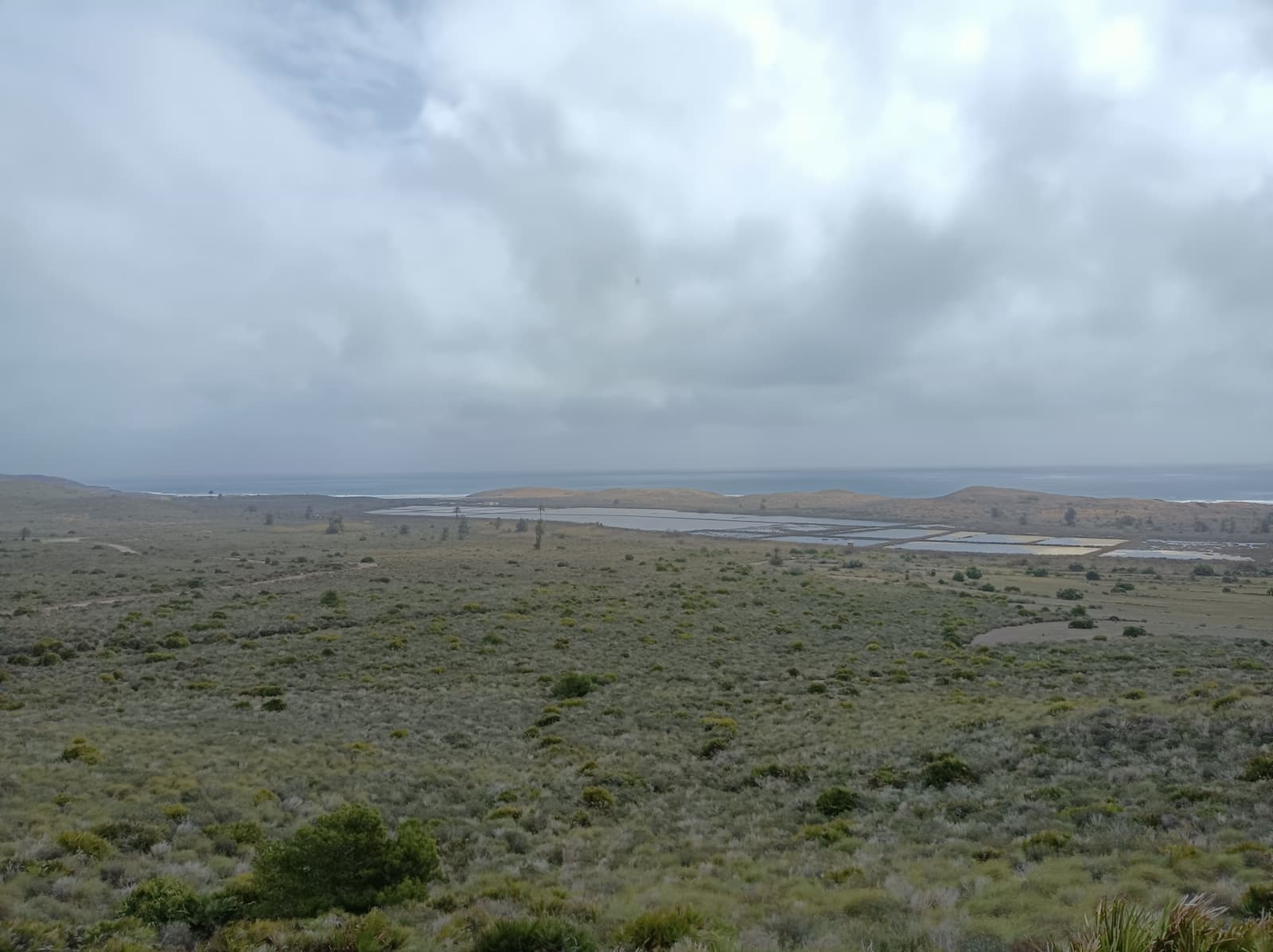
Look for flamingos at the Rasall salt pans
Behind the beaches, the disused Salinas del Rasall attract flamingos, avocets, stilts and other waders, and shelter a rare native fish, the Spanish toothcarp. A hide and a short trail overlook the water.
See the fossil dunes
Wind-sculpted ridges of cemented ancient sand stand behind several beaches. They crumble easily; walking on them is not allowed.
Walk up to Monte de las Cenizas
At the western end of the park a forest track leads on foot to a 1930s coastal battery with two enormous Vickers guns and an entrance gate modelled on a Mesoamerican temple, with a huge view over the bay of Portmán.
How to get to Calblanque Regional Park
- The main entrance is signposted from the RM-12 motorway between Los Belones and Cabo de Palos. Dirt tracks lead from there to parking areas behind the beaches.
- Summer restrictions: in high season — in recent years from around late June to early September — private cars are not allowed down to the beaches during the day. You leave the car at a car park near the entrance and take a shuttle bus that stops at the main beaches, for a small fare. Dates, hours and prices are set each year, so check the current arrangements before you go. Outside those dates you can normally drive in, though parking areas close when full.
Insider tips
- There are no bars, shops, showers or bins on the beaches. Bring water, food and shade, and take every scrap of rubbish out.
- Lifeguard cover is limited to some beaches in summer. Take red flags seriously — the currents here are real.
- Spring is the best season for walking: mild, green and flowery. Summer midday heat on the paths is fierce.
- Dogs, camping and fires are not permitted on the beaches.
- A guided kayak tour from Cabo de Palos is a good way to see the cliffs and reach coves without the bus.
Best tours: Calblanque Regional Park
These top-rated experiences are the easiest way to see Calblanque Regional Park:
 Guided kayak tour from €32
 Cabo de Palos: Calblanque & Coves Kayak Tour with Guide
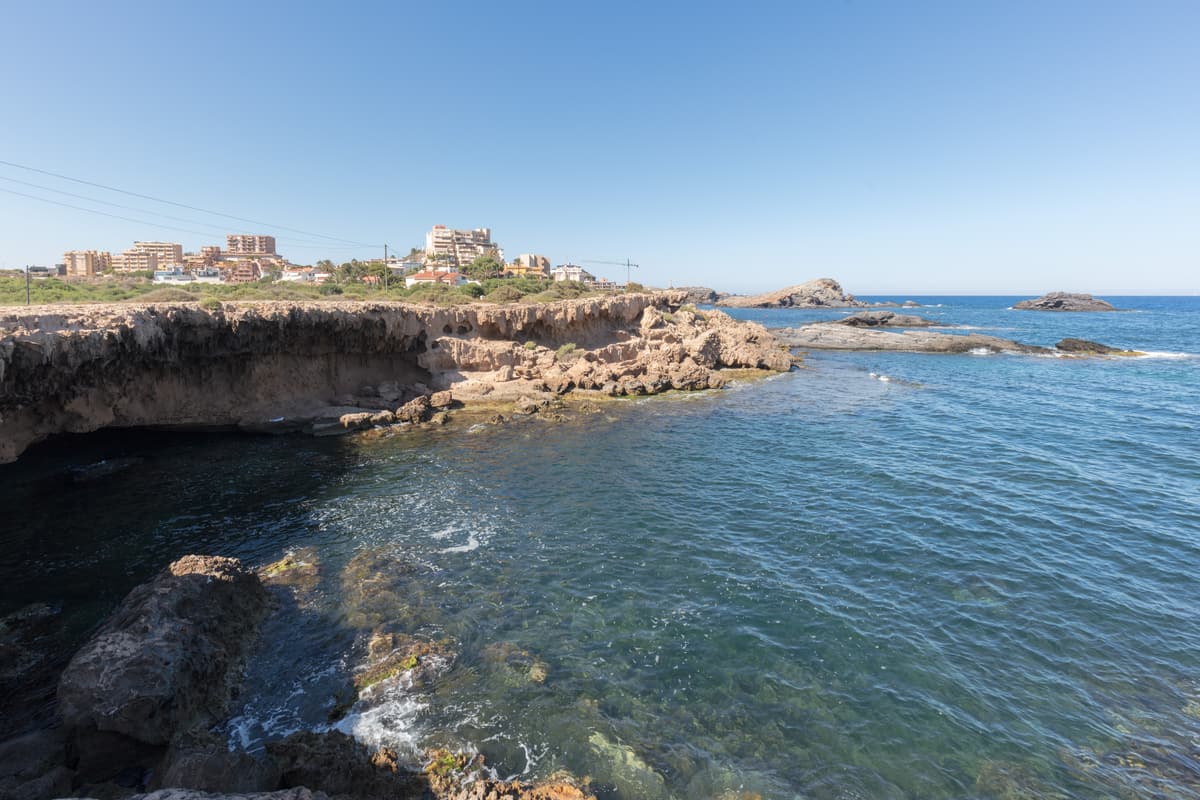
A guided paddle south from Cabo de Palos along the protected coast of Calblanque Regional Park, past volcanic cliffs, into a sea cave and on to small beaches reached only on foot or by water. Reviews are mixed (3.7 out of 5 when we checked), mostly depending on sea conditions on the day, so pick a calm morning.
- Paddle towards Calblanque Regional Park
- Volcanic cliffs and a sea cave
- Stops at beaches you cannot drive to
 Guided kayak tour from €35
 Cabo de Palos: Kayak Sightseeing Tour with Snorkeling
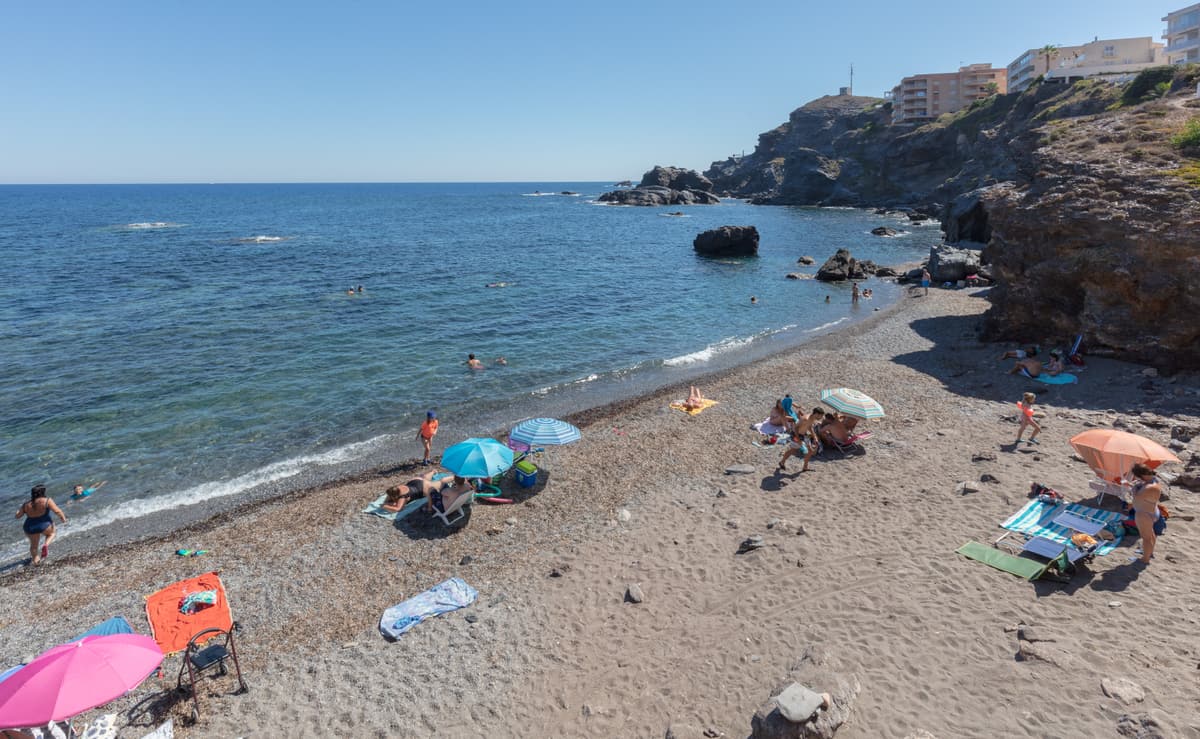
The most-reviewed Cabo de Palos activity on GetYourGuide. A guide leads you by kayak along the coves and cliffs of the cape, then you stop to snorkel over the posidonia meadows and rocky reefs of the Cabo de Palos and Islas Hormigas Marine Reserve. No previous kayaking experience is needed in calm conditions.
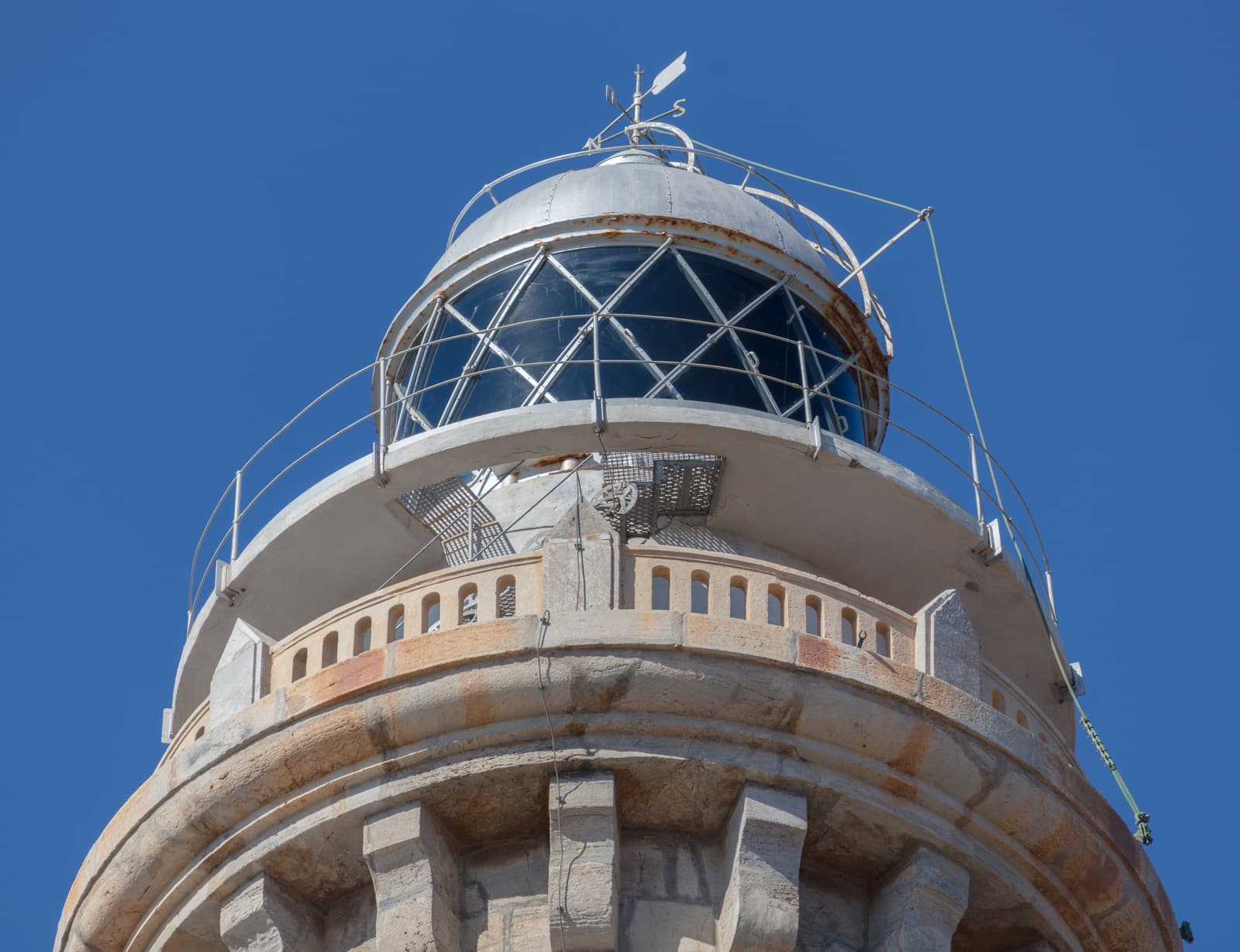
- Paddle below the cliffs and the lighthouse
- Snorkel stop over the reserve’s seabed
- Kayak, paddle and snorkel gear provided
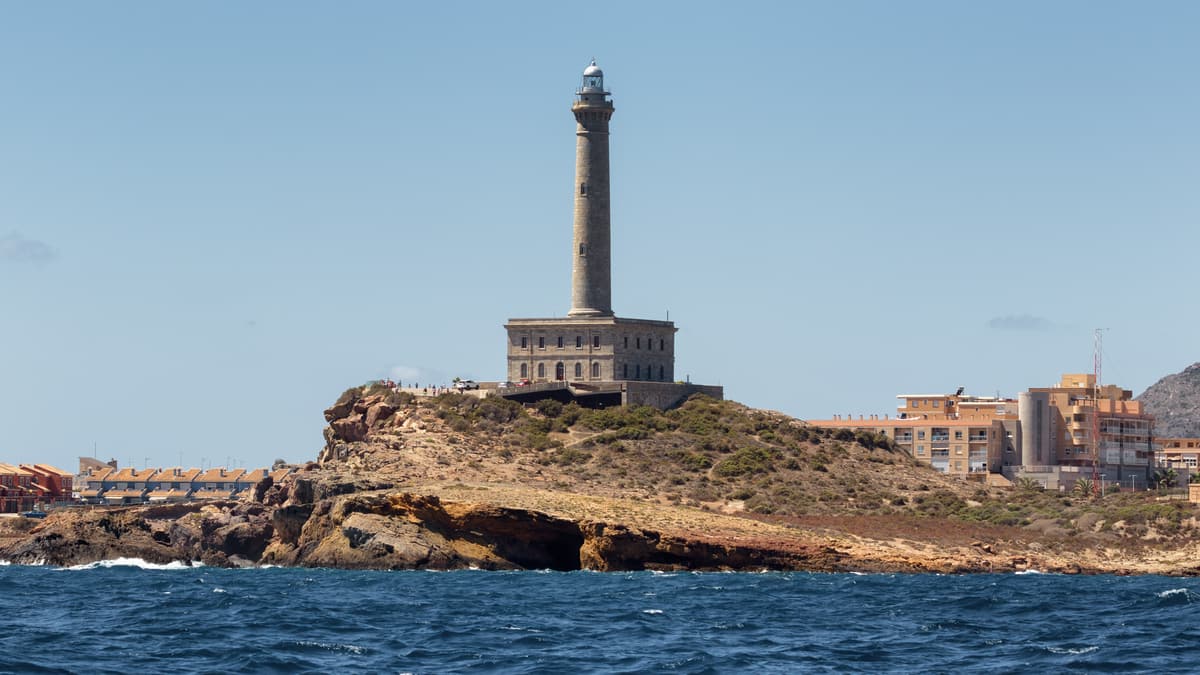 Guided e-bike tour from €39
 Cabo de Palos & La Manga E-Bike Experience
An easy guided ride by electric bike around Cabo de Palos and the first stretch of La Manga, with stops at coves and viewpoints over both the Mediterranean and the Mar Menor. A new listing with no reviews yet when we checked, so treat it as unproven.
- Electric bike and local guide
- Coves, the lighthouse and two seas
- Sunset departures available