The capital of the region is an inland city on the Segura river, founded by the emir of Córdoba in 825 and surrounded by the huerta, the irrigated market garden that still supplies much of Europe’s winter vegetables. It is around 75 kilometres from Cabo de Palos, under an hour by motorway.
Murcia is not on most foreign visitors’ lists, which is part of its appeal: a lived-in Spanish city with a handsome old centre, excellent food and very few tour groups.
Top things to do: Murcia
The Cathedral
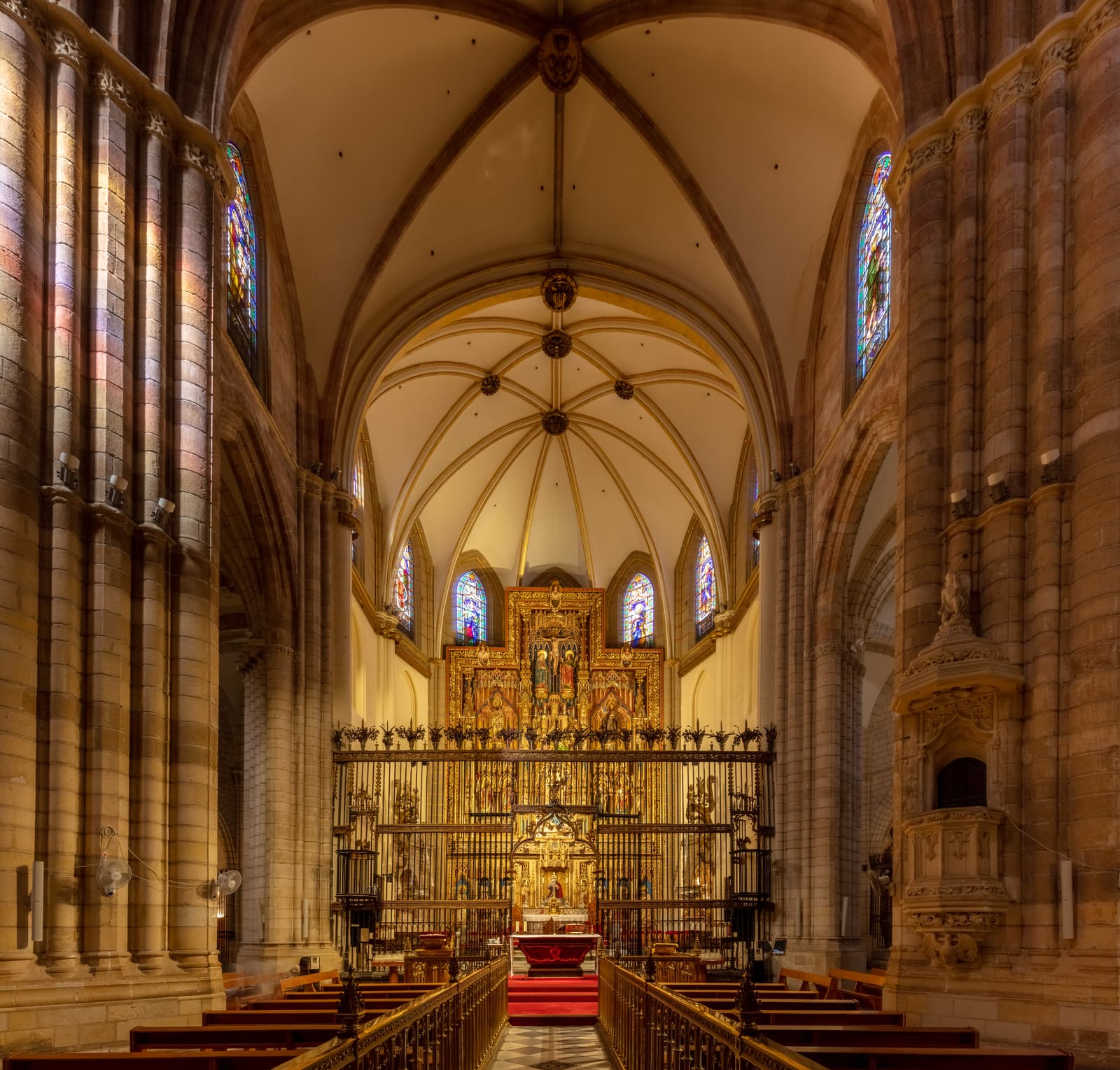
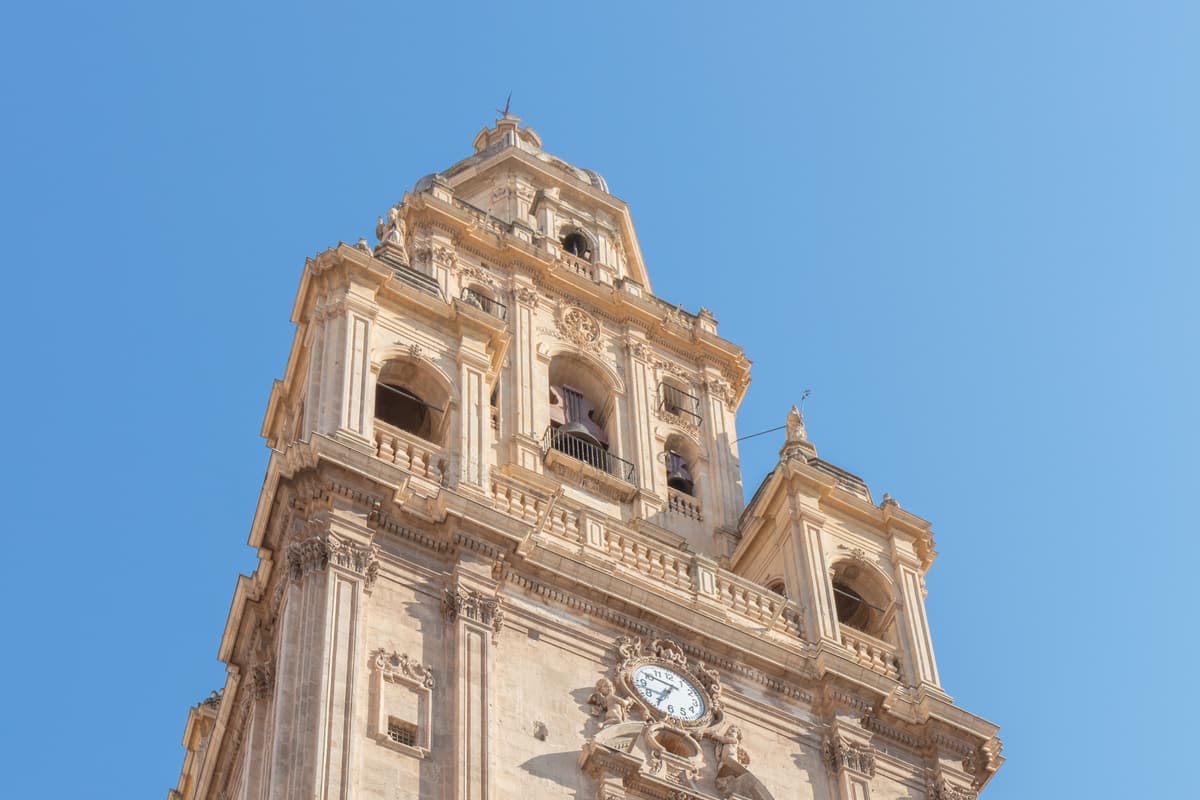
Begun in the fourteenth century on the site of the main mosque and finished four hundred years later, it mixes Gothic, Renaissance and, above all, baroque. The west façade on Plaza del Cardenal Belluga is one of the great set pieces of Spanish baroque, and the bell tower, at over 90 metres, is among the tallest in Spain.
Real Casino de Murcia
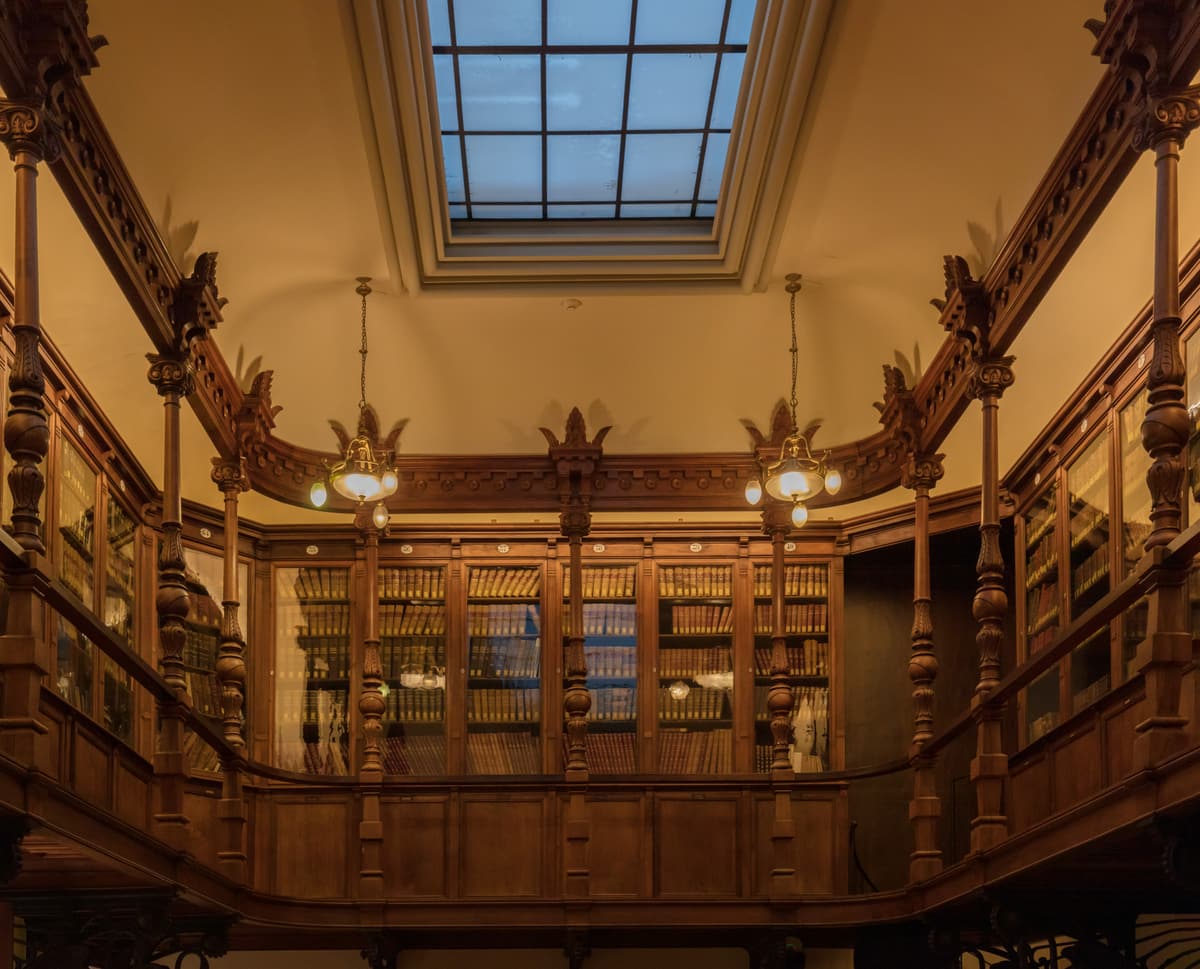
A private club founded in 1847 and open to visitors: a Moorish-revival patio, a ballroom hung with chandeliers, an English-style library and a ladies’ powder room with a painted ceiling. Guided walks of the old town include it.
Salzillo Museum
Francisco Salzillo, the eighteenth-century Murcian sculptor, carved the processional figures carried through the city on Good Friday morning. They are displayed here with his enormous nativity scene.
Tapas in the old town
Around Plaza de las Flores and Plaza de Santa Catalina, order a marinera (Russian salad on a ring-shaped breadstick with an anchovy), zarangollo (scrambled egg with courgette and onion), local vegetables from the huerta, and paparajotes — lemon leaves in sweet batter; you eat the batter, not the leaf.
Santa Clara and Moorish Murcia
The convent of Santa Clara la Real preserves part of a thirteenth-century Islamic palace, with a museum of the period.
How to get to Murcia
- By car: RM-12 to Cartagena, then the A-30 motorway north; about 50–60 minutes. Park in one of the central underground car parks.
- By public transport: bus from Cabo de Palos to Cartagena, then a train or bus to Murcia (about 45–50 minutes). Workable for a day trip, but it needs planning.
Insider tips
- Murcia is one of the hottest cities in Spain in July and August. Visit in the morning, or save it for spring and autumn.
- Monuments and many shops close for a long afternoon break; restaurants take over.
- The spring festival (Fiestas de Primavera) in the week after Easter fills the city with huerta costumes and food stalls.
- A day trip from Murcia to Cartagena and Cabo de Palos is bookable if you are staying in the city.
Best tours: Murcia
These top-rated experiences are the easiest way to see Murcia:
Guided walking tour from €32 Murcia: Old Town Walking Tour and Real Casino
A guided walk through Murcia’s old town that includes a visit to the Real Casino, the lavish nineteenth-century gentlemen’s club that is the city’s most surprising interior.
- Historic centre on foot
- Visit to the Real Casino
- Local guide
 Guided walking tour from €8
 Murcia Sightseeing Tour: the City’s Main Monuments
An inexpensive introductory walk with an official guide that takes in the main monuments of central Murcia. A good first orientation before you explore on your own.
- Official local guides
- Cathedral square and main monuments
- Low price
 Day trip from €52
 From Alicante: Excursion to Murcia and Cartagena with a Ticket to the Roman Theater
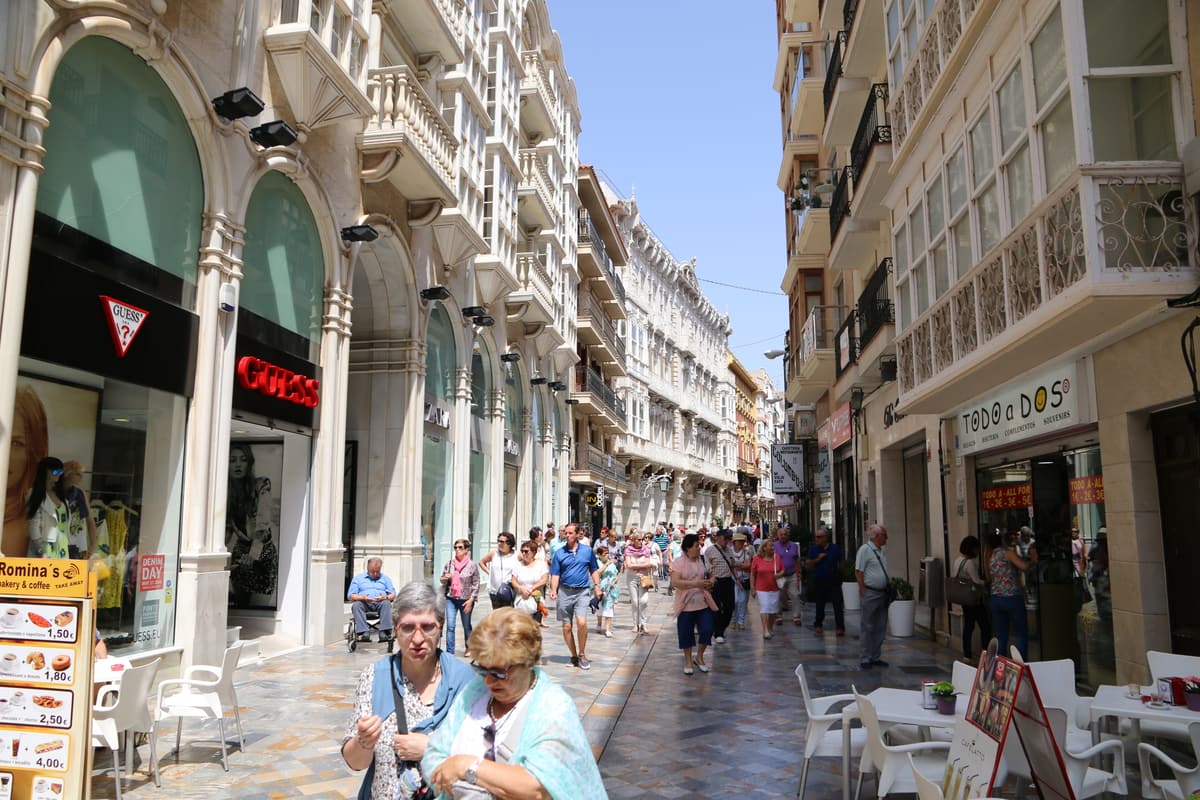
A full-day excursion from Alicante that visits both Murcia and Cartagena, with entry to the Roman Theatre. It does not reach Cabo de Palos, but it is a way to see the region’s two cities if you are based on the Costa Blanca.
- Transport from Alicante
- Murcia and Cartagena in one day
- Roman Theatre entry included